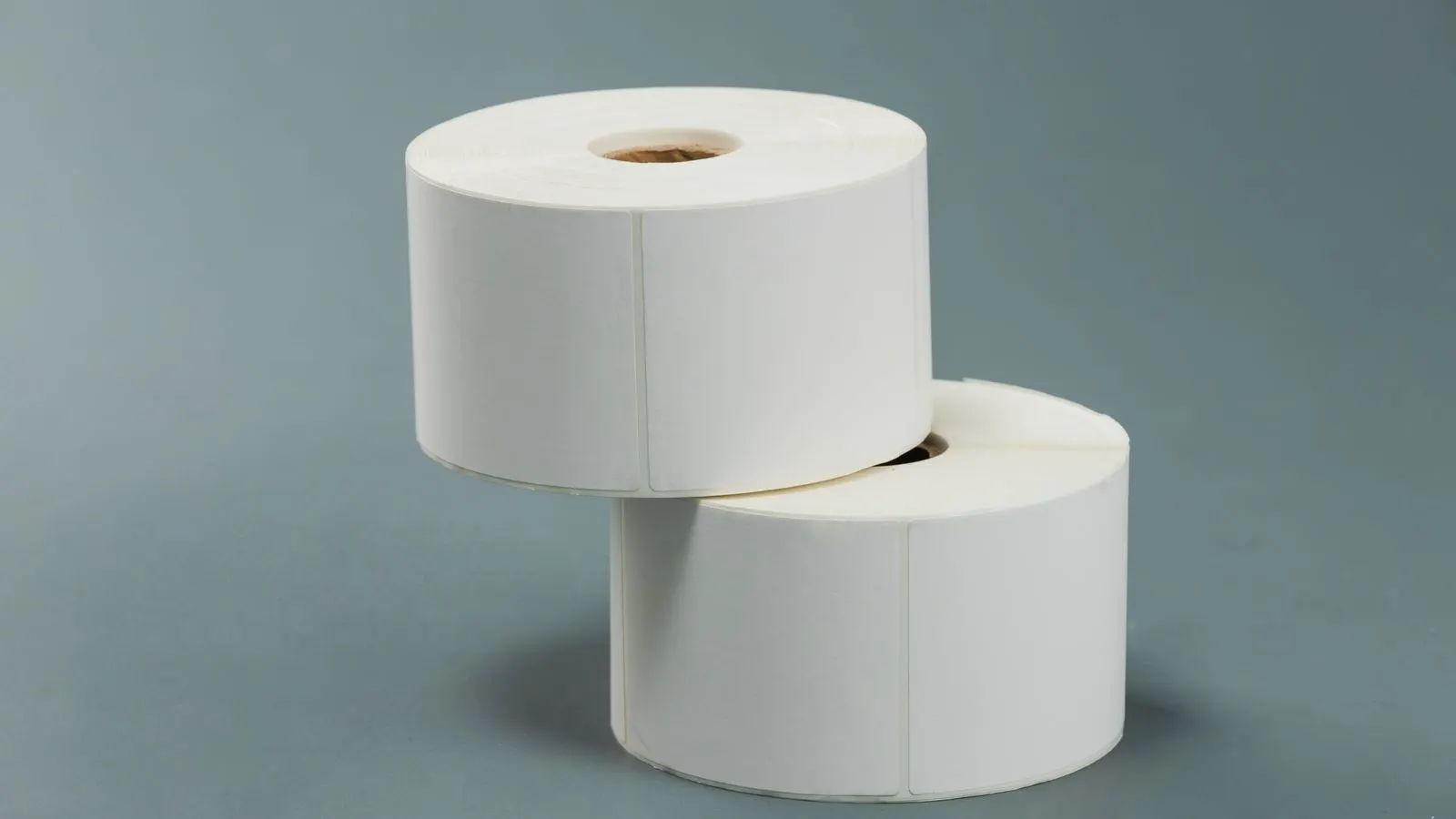
Filtration Nonwovens
Buyers Guide: Selecting Meltblown Weight for MERV Filters
Meltblown weight directly influences the pore structure and density of filtration nonwovens. For MERV ratings, a lighter weight offers lower pressure drop but may reduce
Explore filtration efficiency, particle capture, and fiber sizing for industrial, HVAC, and air quality nonwoven filters.
Meltblown weight directly influences the pore structure and density of filtration nonwovens. For MERV ratings, a lighter weight offers lower pressure drop but may reduce

To measure particle capture, select the target particle size, use a filtration efficiency test, run the fabric under controlled airflow, and record the pressure drop and
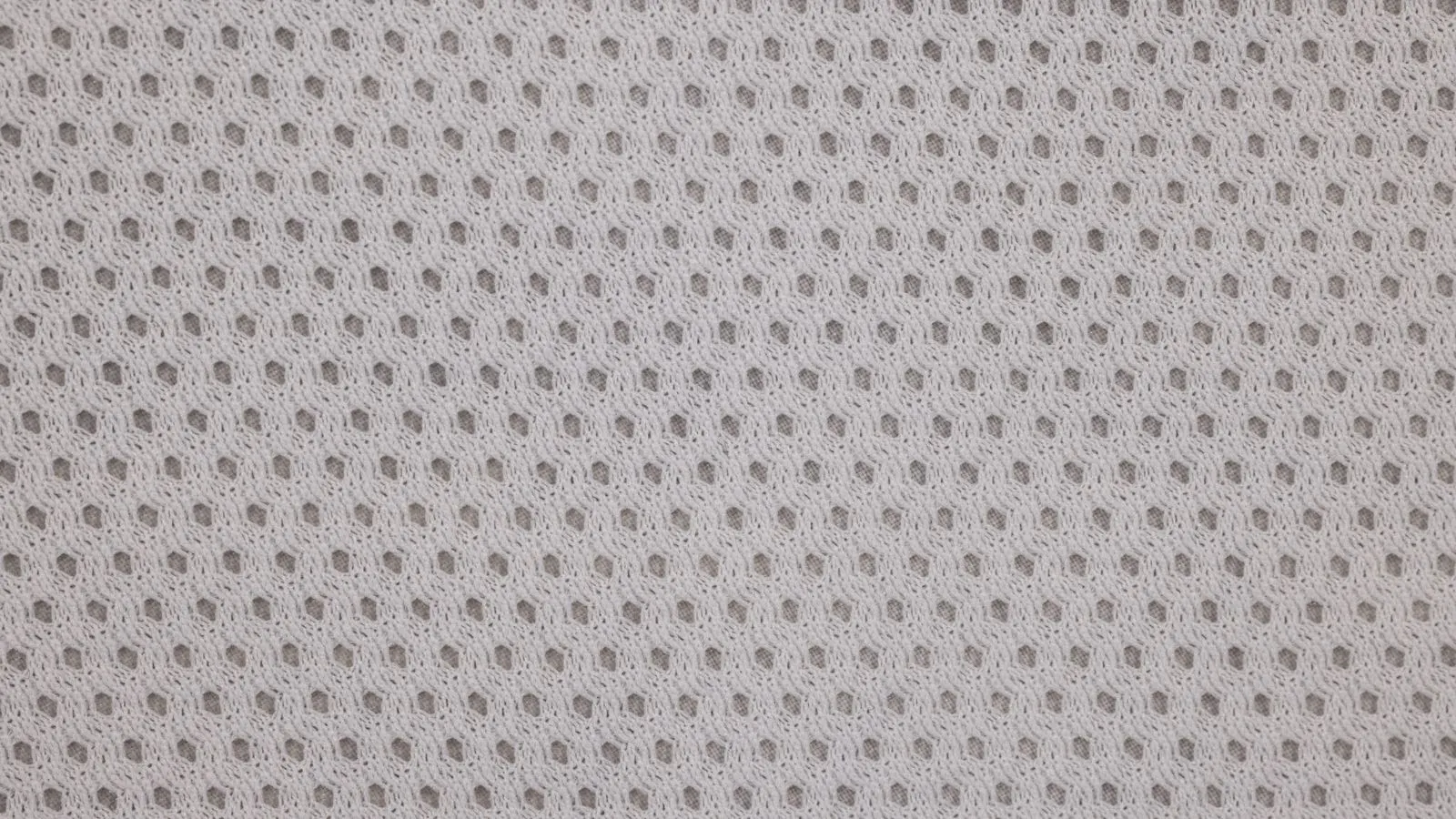
Selecting the right filtration nonwoven for HVAC systems requires balancing filtration efficiency against airflow resistance. This guide covers media types, fiber

Oil filter clogging usually stems from fiber sizing mismatches, contamination, or incorrect media selection. This guide explains how to identify symptoms, isolate
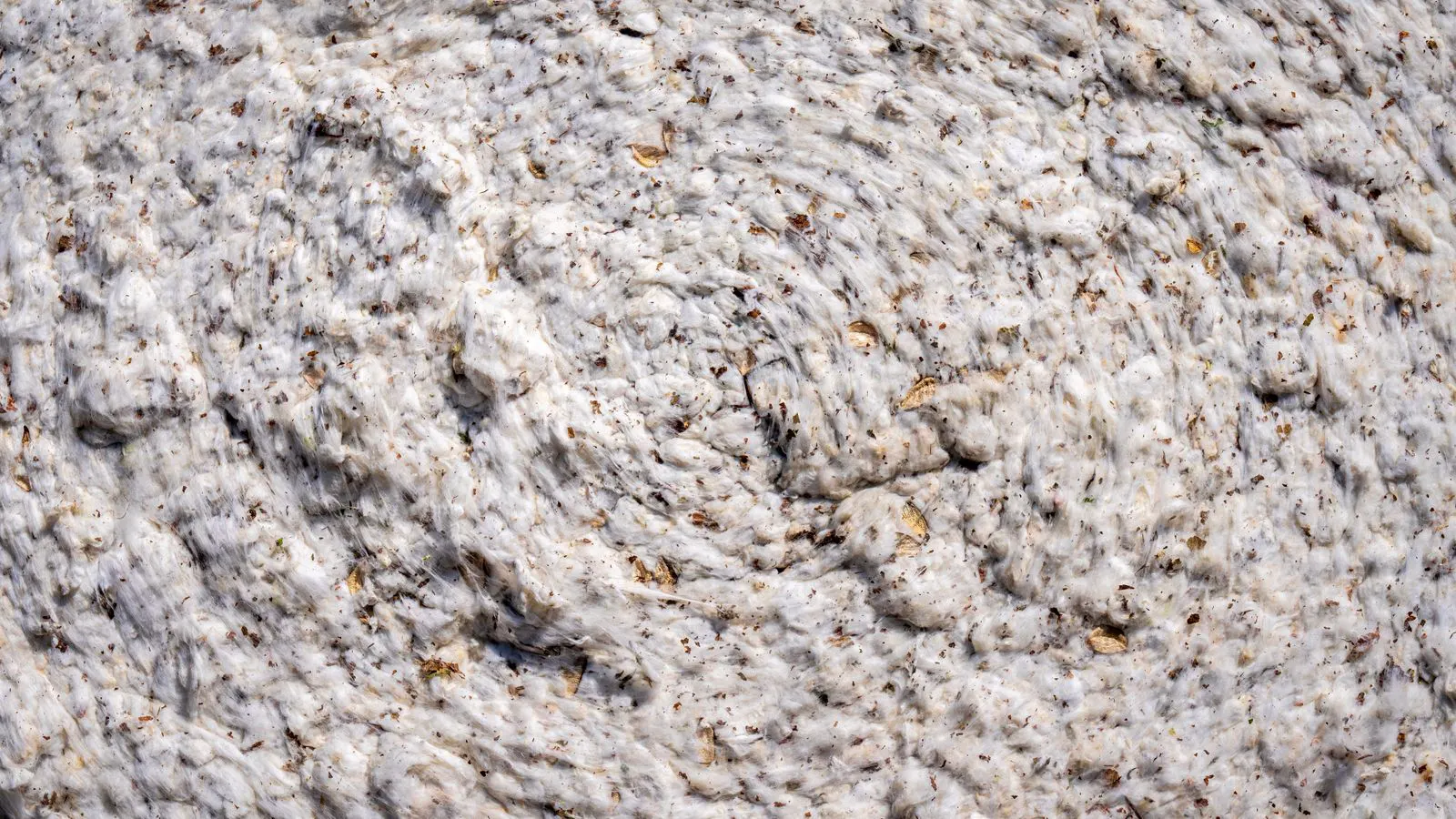
Fiber sizing determines air filter fabric efficiency by controlling pore structure and particle capture. Smaller fibers create tighter barriers, while fiber length and

Fluid filtration nonwovens are shifting toward higher efficiency and durability. Buyers should watch fiber chemistry, bonding methods, and smart sensor integration.

Selecting the right nonwoven fabric depends on the required filtration efficiency. HEPA filters use fine electrostatic media for high capture, while MERV-rated materials
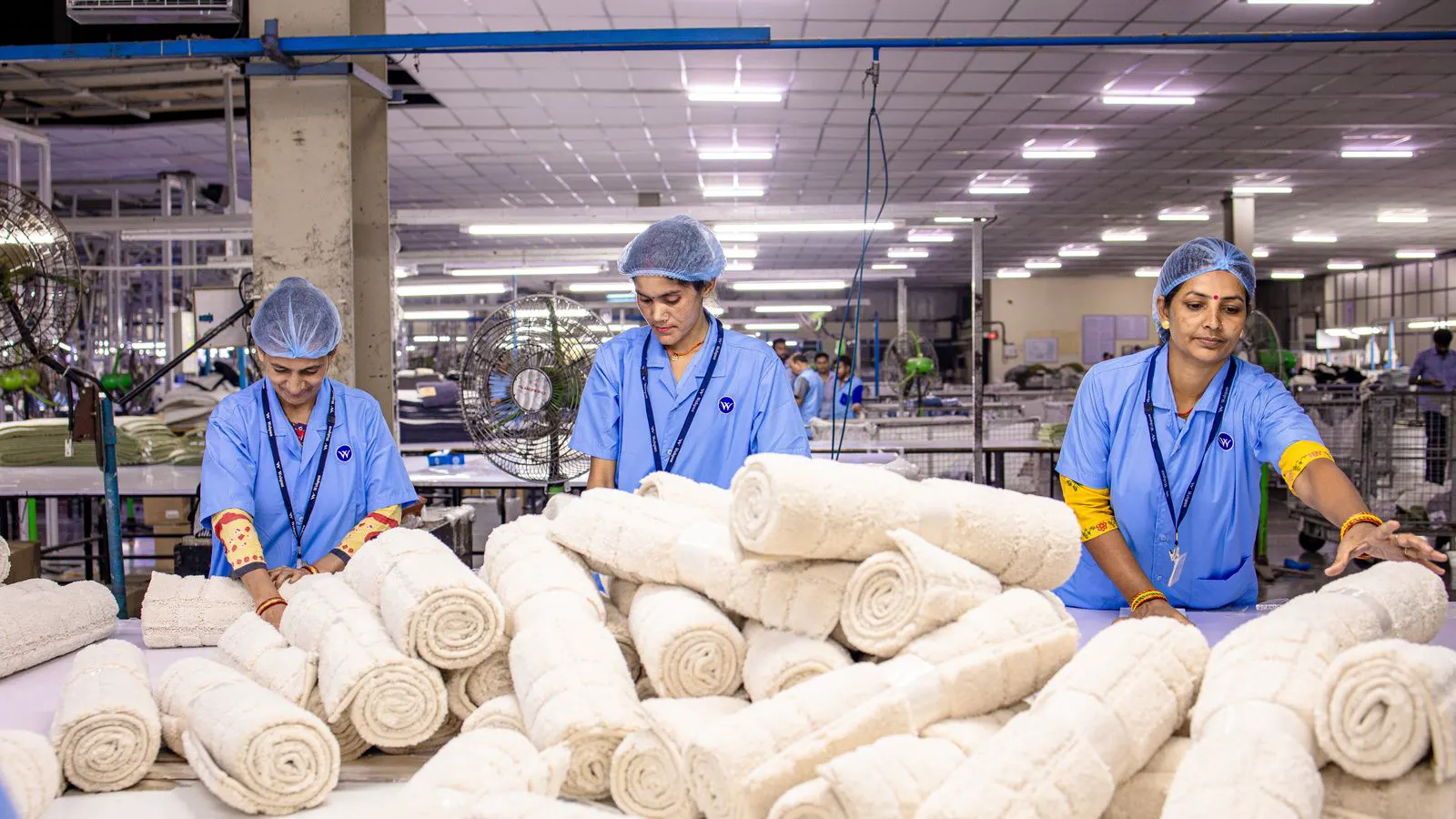
Bulk air filter fabric pricing depends on fiber type, weight, and bonding method. Lead time depends on capacity, certification needs, and logistics. A structured RFQ and
Verify filtration nonwoven specs by checking fiber sizing, bonding quality, and lot traceability. This checklist helps buyers confirm fabric consistency, reject poor