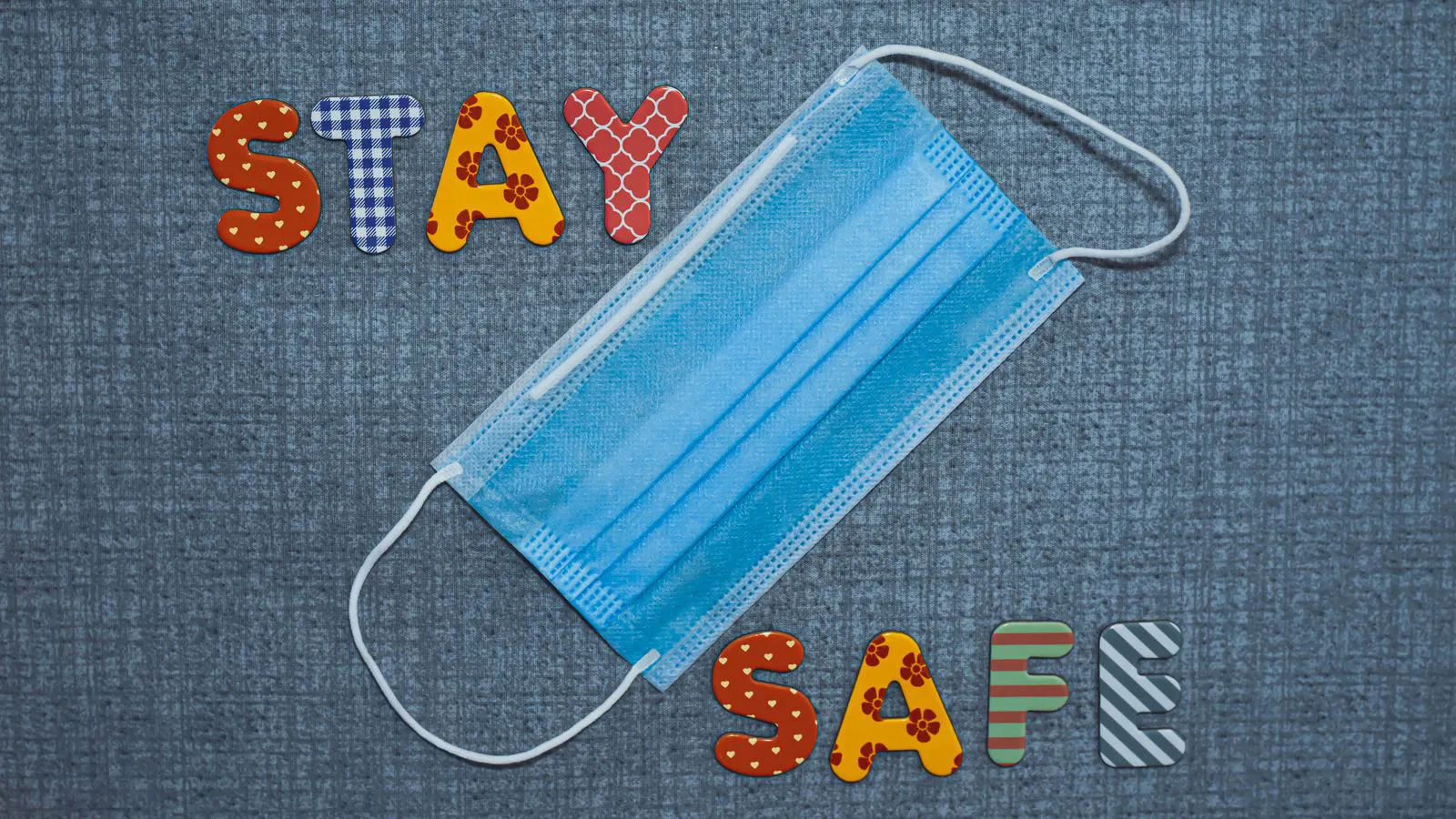
Hygiene & Medical Nonwovens
Comparison: Meltblown vs Spunbond Mask Fabrics
Meltblown mask fabric offers a dense, microfiber barrier for high-filtration masks, while spunbond mask fabric provides structural strength and breathability for
Review absorbency, softness, and barrier performance for nonwovens used in personal care, medical, and protective applications.
Meltblown mask fabric offers a dense, microfiber barrier for high-filtration masks, while spunbond mask fabric provides structural strength and breathability for
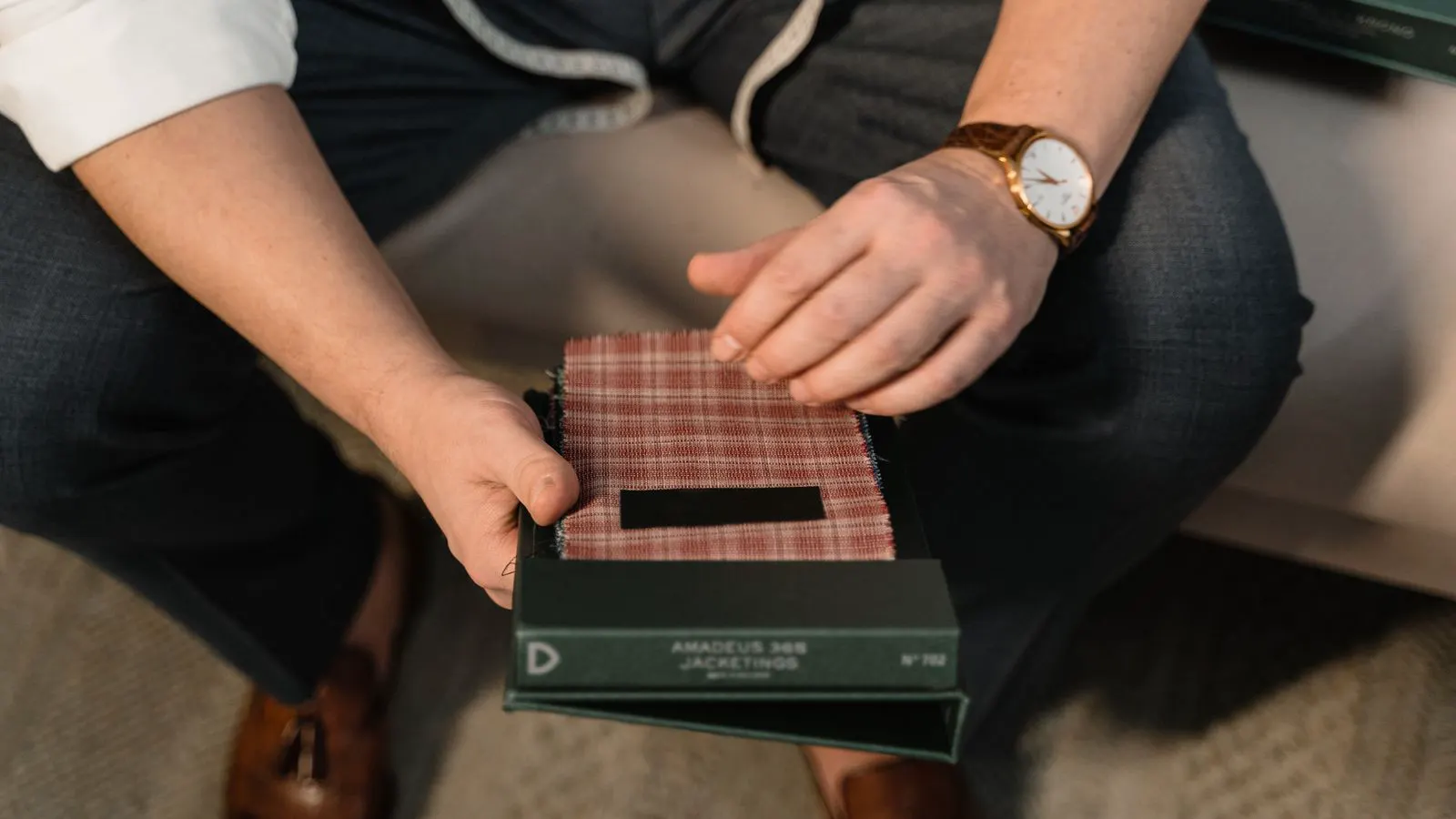
Softness in hygiene nonwoven items is measured through standardized fabric softness testing and comfort indices that quantify hand feel. These metrics help buyers

Surgical drape costs depend on material, width, and specification. Lead times vary by process and volume. This guide explains how to write clear RFQs and compare quotes
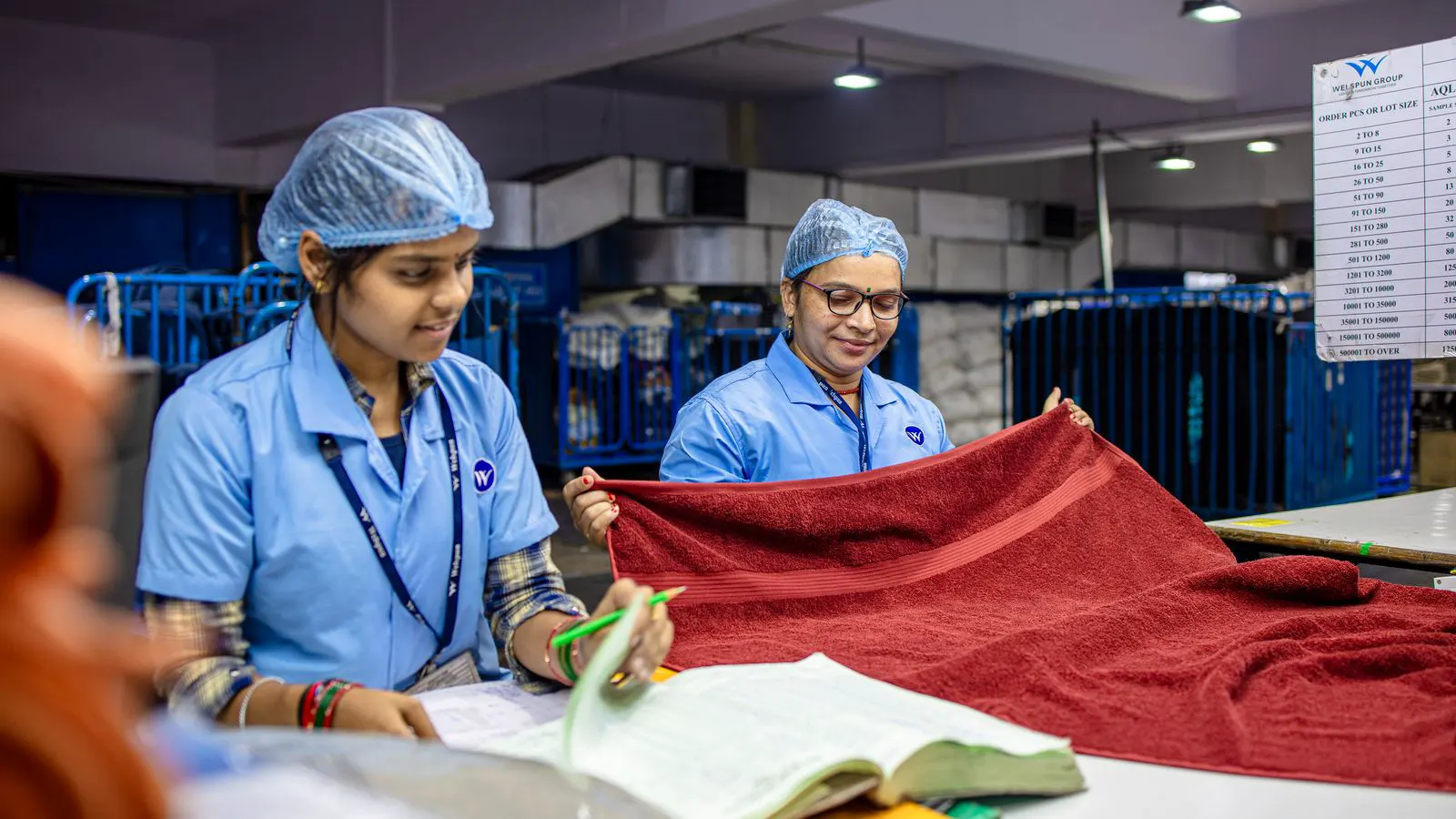
Medical nonwoven performance in protective apparel is shifting toward better filtration, comfort, and sustainability. Buyers should plan for material blending, digital
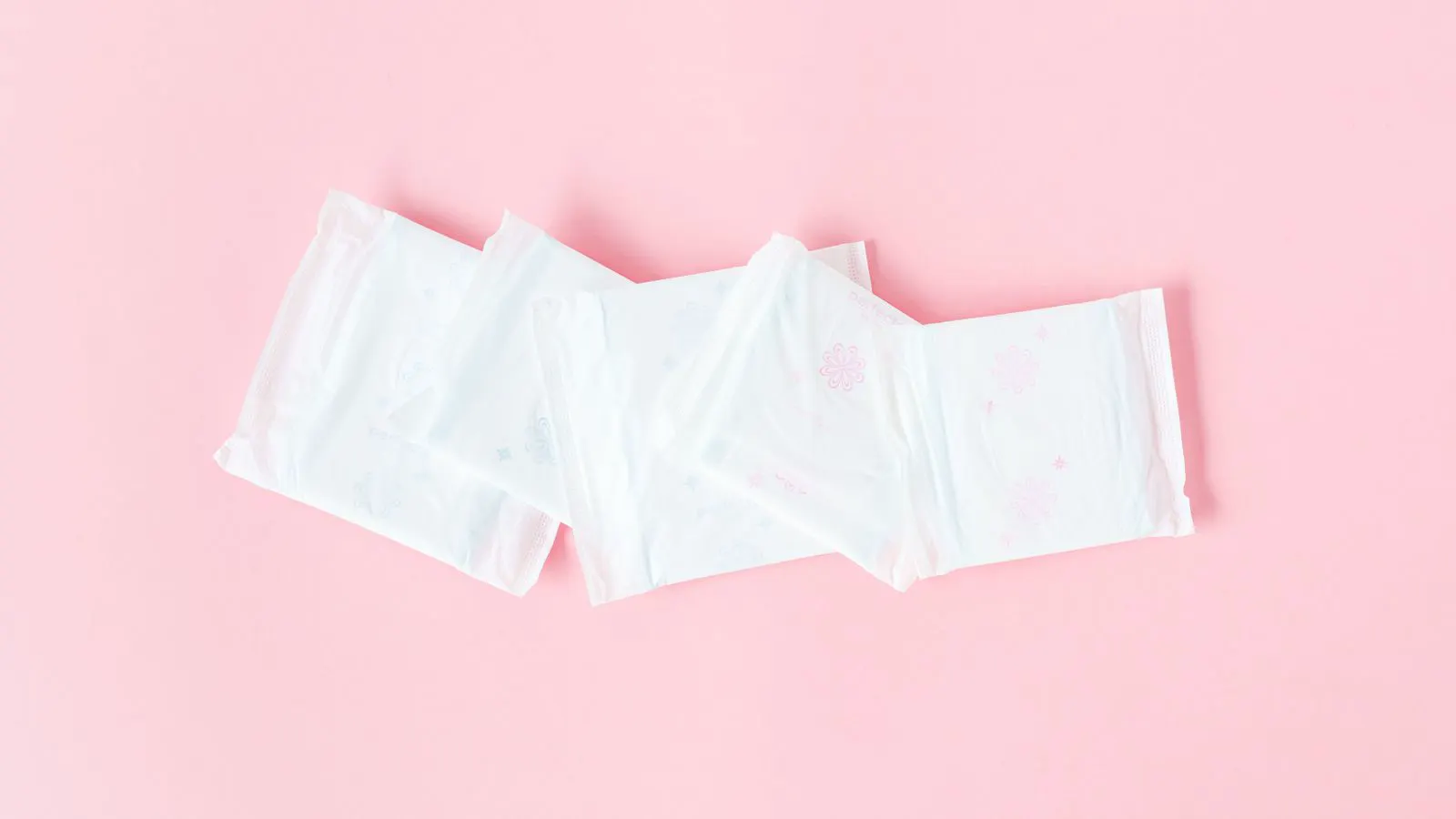
This guide covers material options for wet-wipe and hygiene products. It explains how to evaluate nonwoven choices based on absorbency, strength, and regulatory
Selecting the right mask material requires a structured audit of filtration performance, comfort, and supply reliability. This checklist provides technical criteria for

To verify fluid absorption for medical nonwoven drapes, apply standardized fluid loads, measure time and spread, and check saturation. Use capillary wicking, drop
Edge pilling in sanitary napkin fabric usually comes from loose fibers, high line speeds, or weak bonding at the cut. Identify symptoms on the web, check line speed and