
Choosing a Supplier
How to Audit Nonwoven Roll Quality at Incoming Dock
A practical nonwoven quality audit at the dock involves checking roll defects, verifying weight and basis weight, and inspecting packaging. This guide provides
Use practical criteria to evaluate nonwoven fabric suppliers, including quality control, reliability, and technical support.
A practical nonwoven quality audit at the dock involves checking roll defects, verifying weight and basis weight, and inspecting packaging. This guide provides
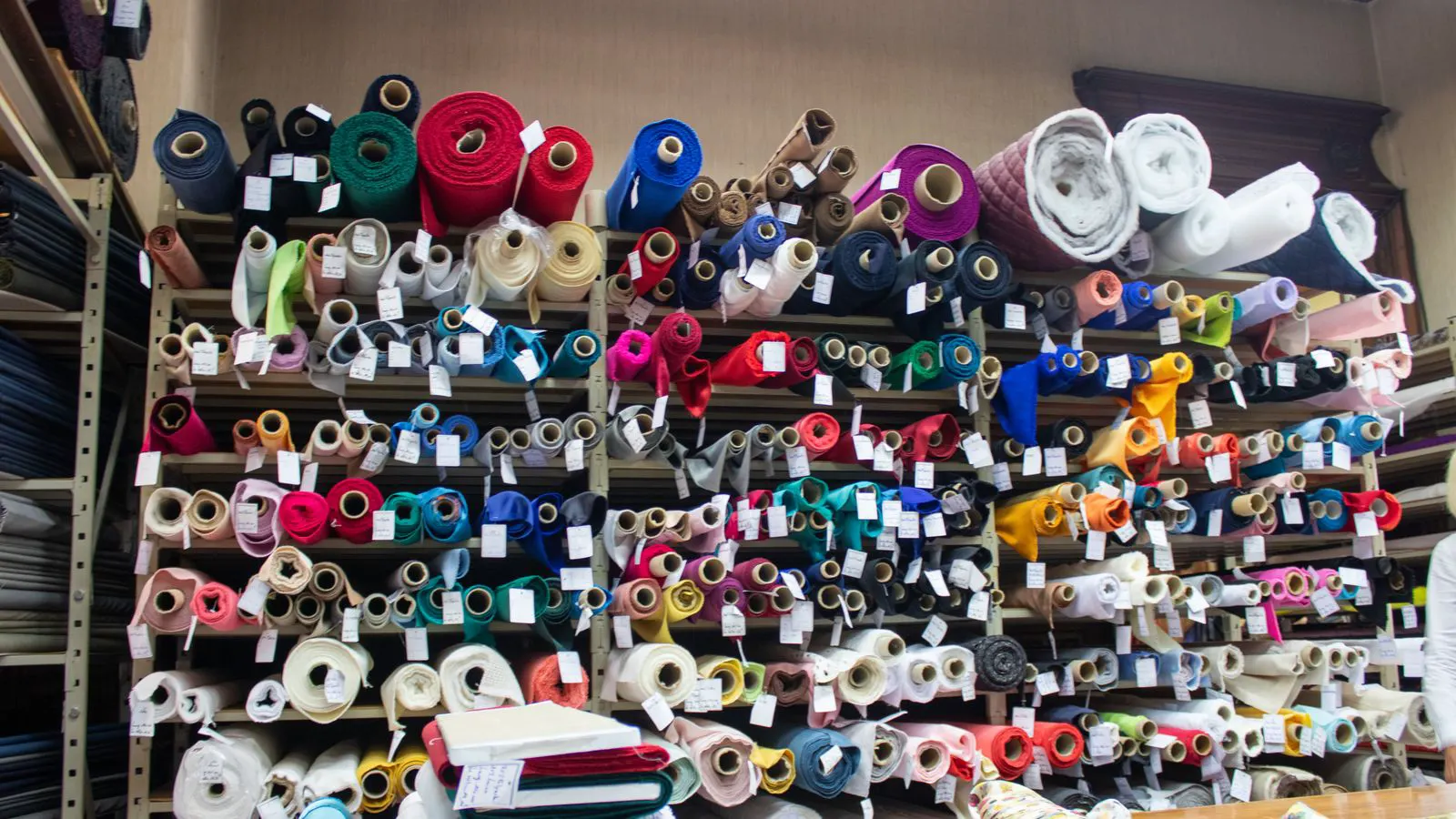
Inconsistent nonwoven weight usually stems from feed variability, machine calibration drift, or raw material density changes. Check GSM records, calibrate equipment, and
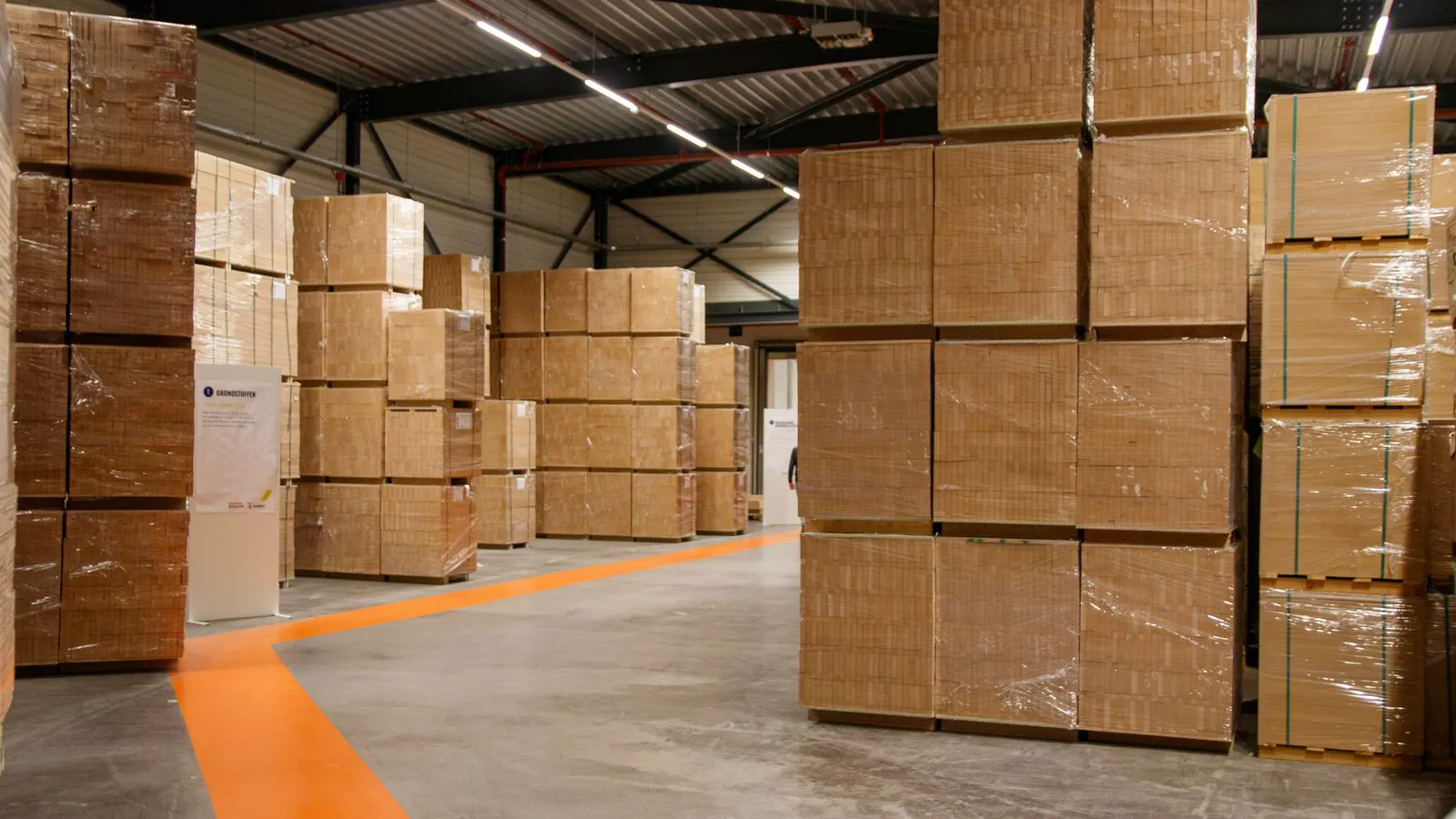
Recycled nonwoven sourcing is moving from niche to standard, but supplier readiness varies. Buyers should plan for tighter material availability, clearer documentation
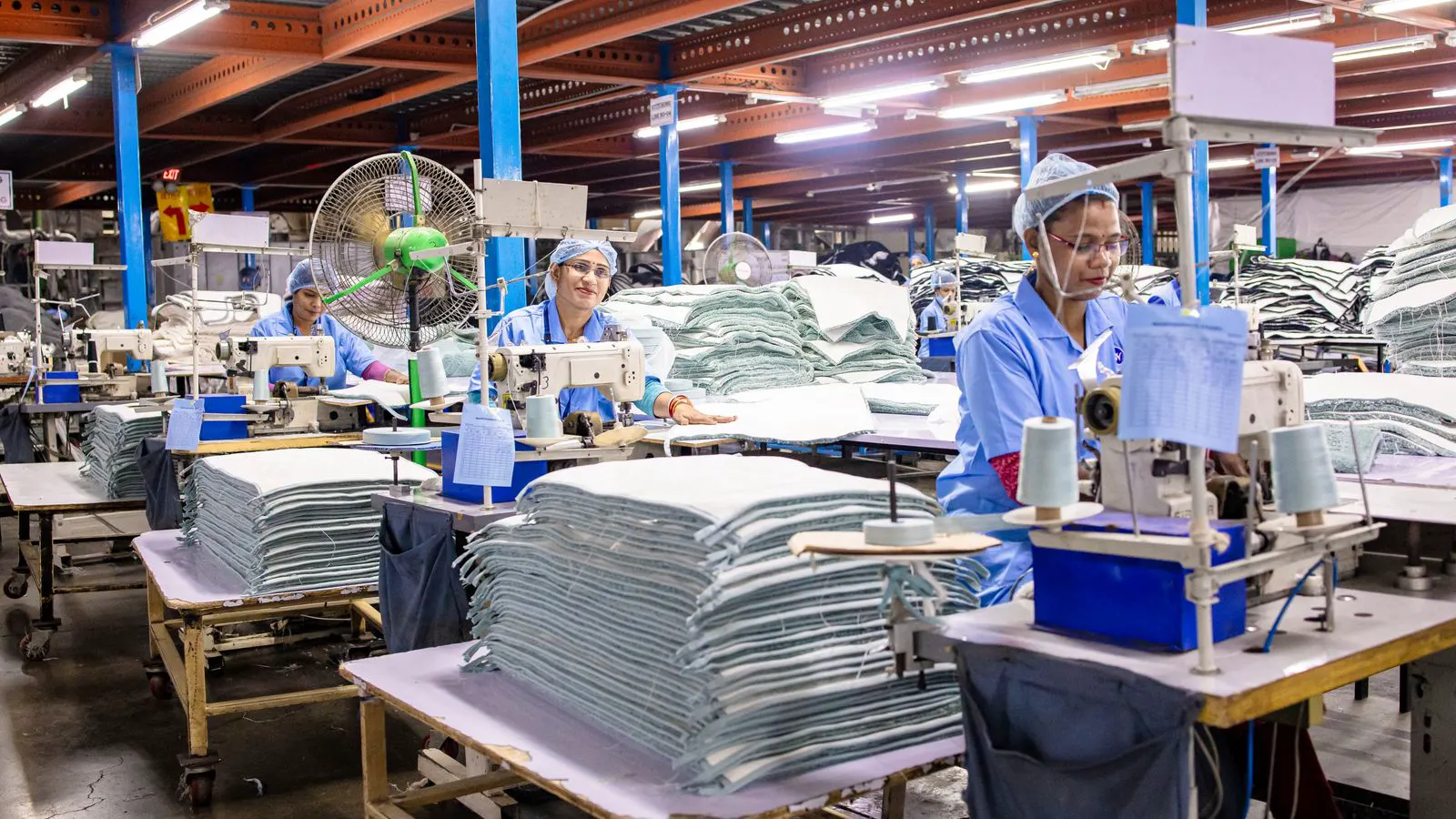
Gm and gsm nonwovens use the same underlying unit but describe different properties. Gm measures mass per area, while gsm is the practical label for weight. Knowing the

To source nonwoven filtration media, verify supplier technical data sheets, request independent lab test results, and audit production processes. Define filtration

Importing nonwoven fabrics requires managing variable logistics and procurement costs. Lead times depend on production capacity, shipping routes, and customs clearance.
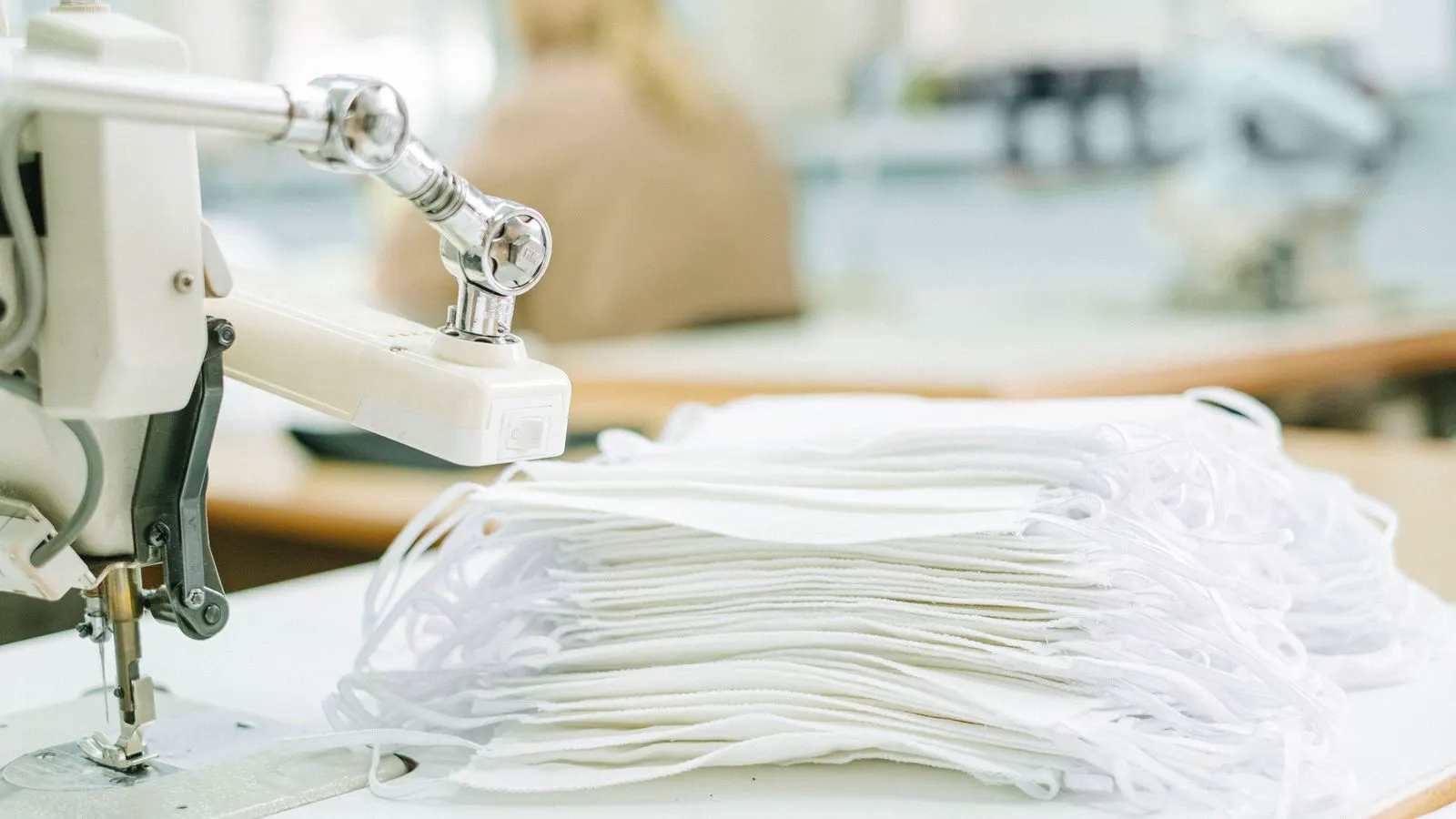
Request detailed technical data sheets, process parameters, and compliance certificates from your nonwoven supplier. This checklist ensures the fabric meets your

A systematic audit of nonwoven fabric ensures bulk purchase quality. Verify specs, sample testing, and on-site checks to prevent defects, confirm material properties

Meltblown nonwovens offer tighter fiber webs for high-efficiency filtration, while spunbond provides structural strength and lower cost. Choose meltblown for fine