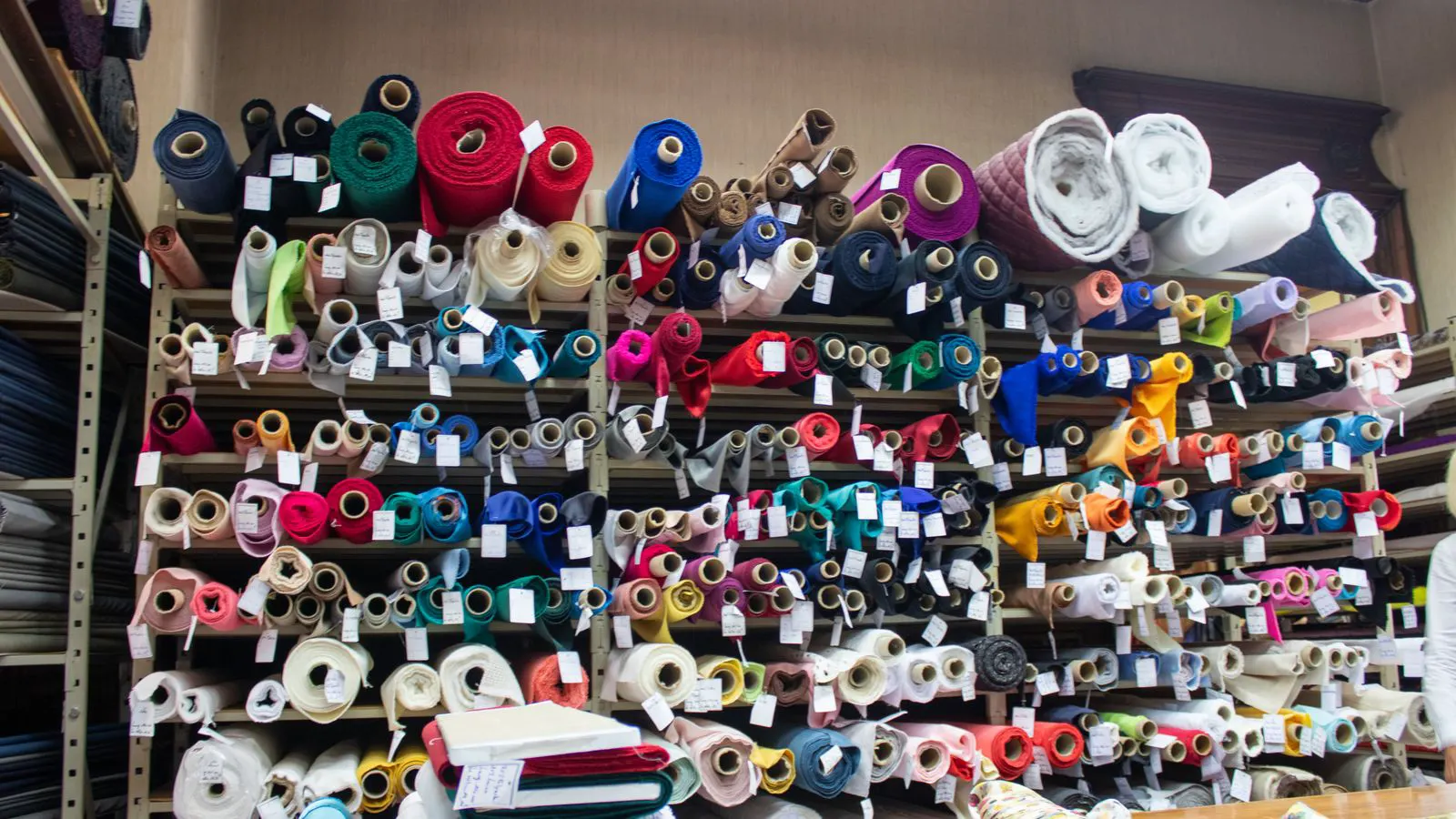
Gm and gsm nonwovens use the same underlying unit but describe different properties. Gm measures mass per area, while gsm is the practical label for weight. Knowing the distinction helps buyers verify specifications and avoid costly sourcing errors.
- Gm and gsm both measure mass per unit area, but gsm is the common industry label for fabric weight.
- Confusing these terms can lead to incorrect material selection and failed performance tests.
- Always check the supplier's units and measurement standards in technical data sheets.
- Use practical examples to verify that the specified weight matches your application requirements.
What Do Gm and Gsm Actually Mean
Gm and gsm appear on almost every nonwoven fabric data sheet. The letters look similar, but the usage differs in practice. Gm stands for grams per square meter. GSM is the common abbreviation for grams per square meter as well. In most supplier catalogs, both terms refer to the same physical measurement.
The difference is mostly one of convention. Gm is the formal unit notation. GSM is the shorthand used in purchasing conversations and spec sheets. When a supplier quotes a weight, they are telling you how much one square meter of fabric weighs. This number is the first thing to check when comparing options.
A 100 gsm fabric feels lighter than a 200 gsm fabric. That is not always true. The feel depends on fiber diameter, bonding method, and surface texture. A 150 gsm spunbond sheet can feel stiffer than a 150 gsm woven-blend nonwoven. Weight alone does not define performance. It defines mass.
How Weight Affects Sourcing Decisions
Weight influences cost, shipping, and performance. Heavier fabric costs more raw material. It also weighs more in transit. For imported orders, freight charges often depend on the gross weight of the container. A 5% increase in fabric weight can change the total landed cost.
In filtration applications, weight often correlates with filtration efficiency. A higher gsm meltblown fabric may capture finer particles. But efficiency also depends on fiber diameter and structure. A 200 gsm meltblown fabric does not guarantee better filtration than a 150 gsm fabric if the fiber diameter is larger.
For hygiene products, weight affects absorbency and feel. A 60 gsm diaper liner may feel different from a 120 gsm liner, even if both use the same fiber type. The buyer must match the weight to the target use case. The data sheet should list the weight range, not just a single number.
Reading the Data Sheet Correctly
Supplier data sheets list many technical parameters. Weight is usually listed near the top. Look for the unit label. Some sheets use g/m2. Others use gsm. A few use oz/yd2. The value changes if the unit changes.
If the sheet says 100 gsm, that means 100 grams per square meter. If it says 100 g/m2, the value is identical. If it says 3.1 oz/yd2, that is roughly the same weight. Conversion between units is straightforward, but mixing units in a comparison is a common mistake.
Check the tolerance. A 100 gsm fabric may have a tolerance of plus or minus 5%. That means the actual weight could be 95 to 105 gsm. For tight applications, the tolerance matters. A loose tolerance can lead to inconsistent performance.
| Parameter | Typical Unit | What It Tells You |
|---|---|---|
| Base weight | gsm or g/m2 | Mass per square meter |
| Tolerance | +/- percent | Acceptable weight variation |
| Fiber diameter | microns | Thickness of individual fibers |
| Bonding method | type name | How fibers are held together |
| Moisture regain | percent | Water absorption capacity |
One Worked Example in Plain Words
Imagine a buyer sourcing nonwoven fabric for industrial filtration. The buyer needs a meltblown fabric with a weight of 120 gsm. The buyer requests a sample and receives a data sheet. The sheet lists the base weight as 120 gsm with a tolerance of plus or minus 5%.
The buyer checks the fiber diameter. It is 3 microns. The bonding method is electrostatic. The data sheet also lists the filtration efficiency. The buyer compares this sample against a competing supplier. The competitor quotes 150 gsm meltblown fabric with a 2-micron fiber diameter.
The 150 gsm fabric is heavier. It costs more. But it may capture finer particles because the fiber diameter is smaller. The buyer must decide which factor matters more. If the filtration target is a very fine particle, the 150 gsm fabric may be the better choice despite the higher weight. If cost is the priority, the 120 gsm fabric may suffice.
This example shows why weight is not the only number to check. It is the starting point. The buyer then looks at fiber diameter, structure, and performance data to make the final decision.
Common Mistakes in Interpretation
The first mistake is assuming that heavier means better. Heavier fabric can be stronger, but it can also be less flexible or more expensive. The buyer must match the weight to the application.
The second mistake is ignoring tolerance. A 100 gsm fabric with a plus or minus 10% tolerance is not the same as a 100 gsm fabric with a plus or minus 2% tolerance. The tighter tolerance costs more. It also gives more consistent performance.
The third mistake is confusing weight with thickness. Weight is mass per area. Thickness is the physical distance between the top and bottom surfaces. A 200 gsm fabric can be thinner than a 150 gsm fabric if the fibers are packed more tightly. The buyer should request both weight and thickness if the application requires a specific profile.
Checking Units Before Bulk Orders
Before placing a bulk order, verify the units on the contract. The data sheet may use gsm. The contract may use oz/yd2. A small conversion error can lead to a large shipment problem. If the buyer orders 10,000 square meters of fabric and the supplier interprets the weight in different units, the result is wrong.
The buyer should include a statement in the contract that specifies the unit of measurement. “All weights are stated in grams per square meter (gsm).” This removes ambiguity. It also makes it easier to resolve disputes.
The buyer should also ask for a sample test. The sample should be measured with a calibrated scale. The result should fall within the stated tolerance. If it does not, the buyer should not proceed to bulk production.
Verifying Weight in the Field
Once the fabric arrives, the buyer can verify the weight. Cut a 100 by 100 centimeter square from the roll. Weigh it on a scale. Divide the weight by the area. The result should match the data sheet.
This check takes minutes. It catches many problems. If the measured weight is outside the tolerance, the buyer has grounds to request a replacement or a credit. It is a simple step that saves money.
The buyer should also check the thickness if the application is sensitive to profile. Use a micrometer. Measure several points across the square. Take the average. Compare it to the specified thickness.
Final Checks for Technical Specs
The buyer should use a checklist when reviewing supplier data sheets. The checklist should include weight, tolerance, fiber diameter, bonding method, thickness, and performance data. Each item should be verified against the application requirements.
The buyer should also check the standard used. Some suppliers follow international standards. Others use internal specifications. The buyer should ask which standard applies. If the standard is not stated, the buyer should request it in writing.
These checks are part of the broader sourcing process. They are covered in more detail in the Buyer Guide to Sourcing Nonwovens for Industrial Filtration and the Checklist: Technical Specs to Request from Nonwoven Suppliers. This explainer focuses on the weight units because they are the most common point of confusion.
How to Use This in Supplier Audits
During a supplier audit, the buyer should observe how weight is measured. Ask to see the scale used for testing. Check the calibration date. Ask how often the scale is verified. A supplier that does not measure weight consistently may have quality issues.
The buyer should also check the batch records. Each batch should have a recorded weight. If the records are missing or inconsistent, that is a red flag. A reliable supplier keeps detailed records for every roll.
These practices are part of a broader quality audit. The How to Audit Nonwoven Fabric Quality Before Bulk Purchase article covers the full process. This section focuses on the weight check because it is a quick and effective way to identify problems early.
Summary of Key Points
Gm and gsm are two ways of writing the same measurement. Gm is the formal unit. GSM is the common shorthand. The number represents mass per square meter. The buyer should always check the unit and the tolerance.
Weight is the first specification to review, but it is not the only one. Fiber diameter, structure, and performance data matter just as much. A worked example shows how a buyer compares two options. A 120 gsm fabric and a 150 gsm fabric are not directly comparable without looking at the other parameters.
The buyer should verify the units on the contract. A small error can lead to a large problem. The buyer should also measure the sample in the field. A simple check with a scale and a micrometer can catch many issues.
These steps are part of a disciplined sourcing process. They save time and money. They reduce the risk of receiving the wrong material. They give the buyer confidence in the supplier.
Frequently asked questions
Is gm the same as gsm?
Yes. Gm and gsm both mean grams per square meter. Gm is the formal unit, and gsm is the common industry shorthand.
How do I convert gsm to oz/yd2?
Multiply the gsm value by 0.0306 to get the weight in ounces per square yard. The conversion factor is constant.
Does higher weight always mean better filtration?
No. Filtration depends on fiber diameter and structure as well as weight. A lighter fabric with smaller fibers can outperform a heavier fabric with larger fibers.
What tolerance should I expect for nonwoven weight?
Tolerances vary by supplier and application. Common tolerances range from plus or minus 2% to plus or minus 5%. Check the data sheet for the specific value.
Can I measure fabric weight myself?
Yes. Cut a 100 by 100 centimeter square and weigh it on a calibrated scale. Divide the weight by the area to get the gsm value. Compare it to the data sheet.