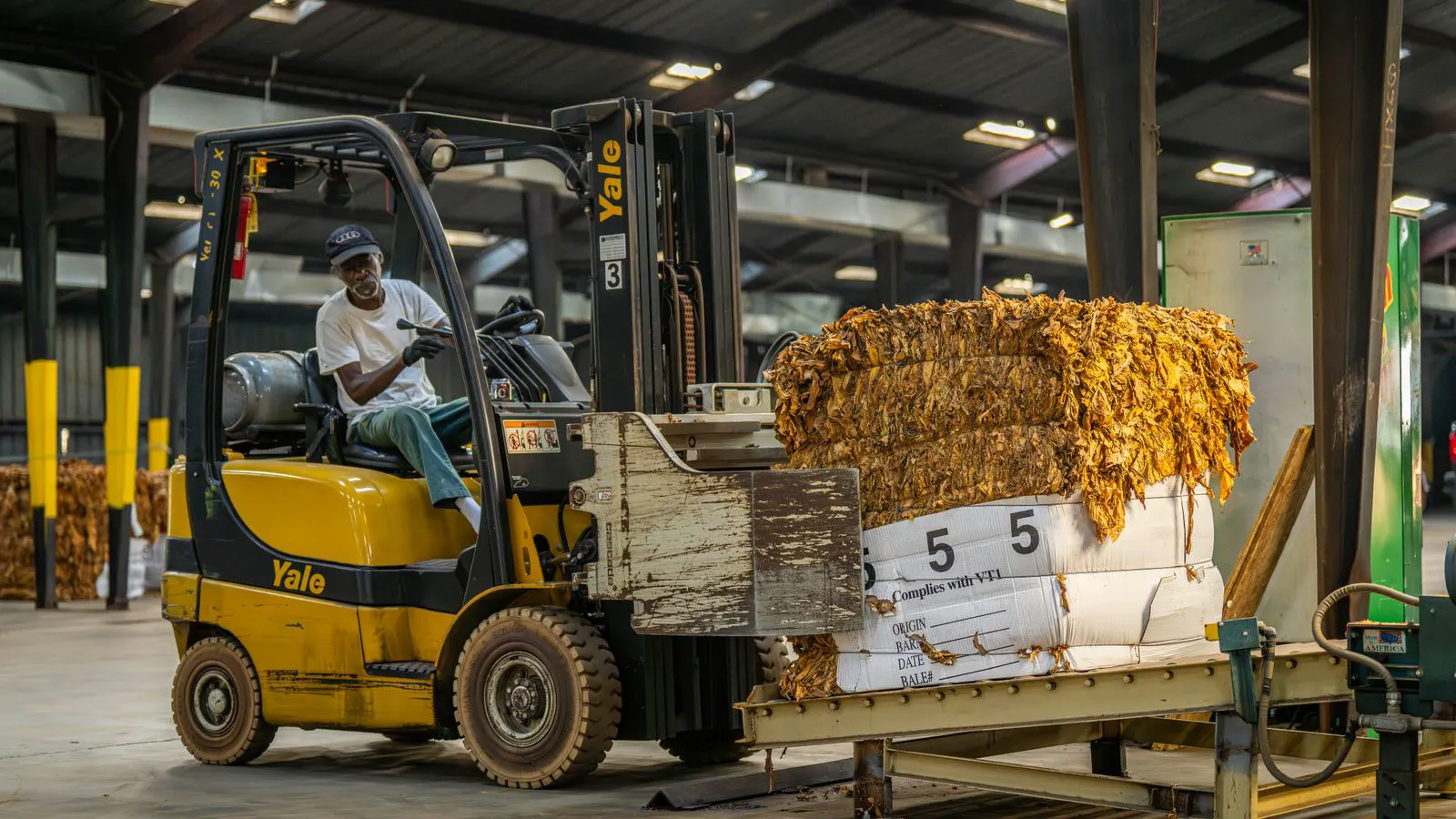
Pricing & MOQ
Outlook: How Raw Material Costs Affect Nonwoven Fabric
Raw material costs drive nonwoven fabric pricing through resin, polyester, and chemical inputs. Buyers should plan for volatility, supplier diversification, and
Review typical price ranges, minimum order quantities, and cost factors affecting nonwoven fabric procurement and budgeting.
Raw material costs drive nonwoven fabric pricing through resin, polyester, and chemical inputs. Buyers should plan for volatility, supplier diversification, and
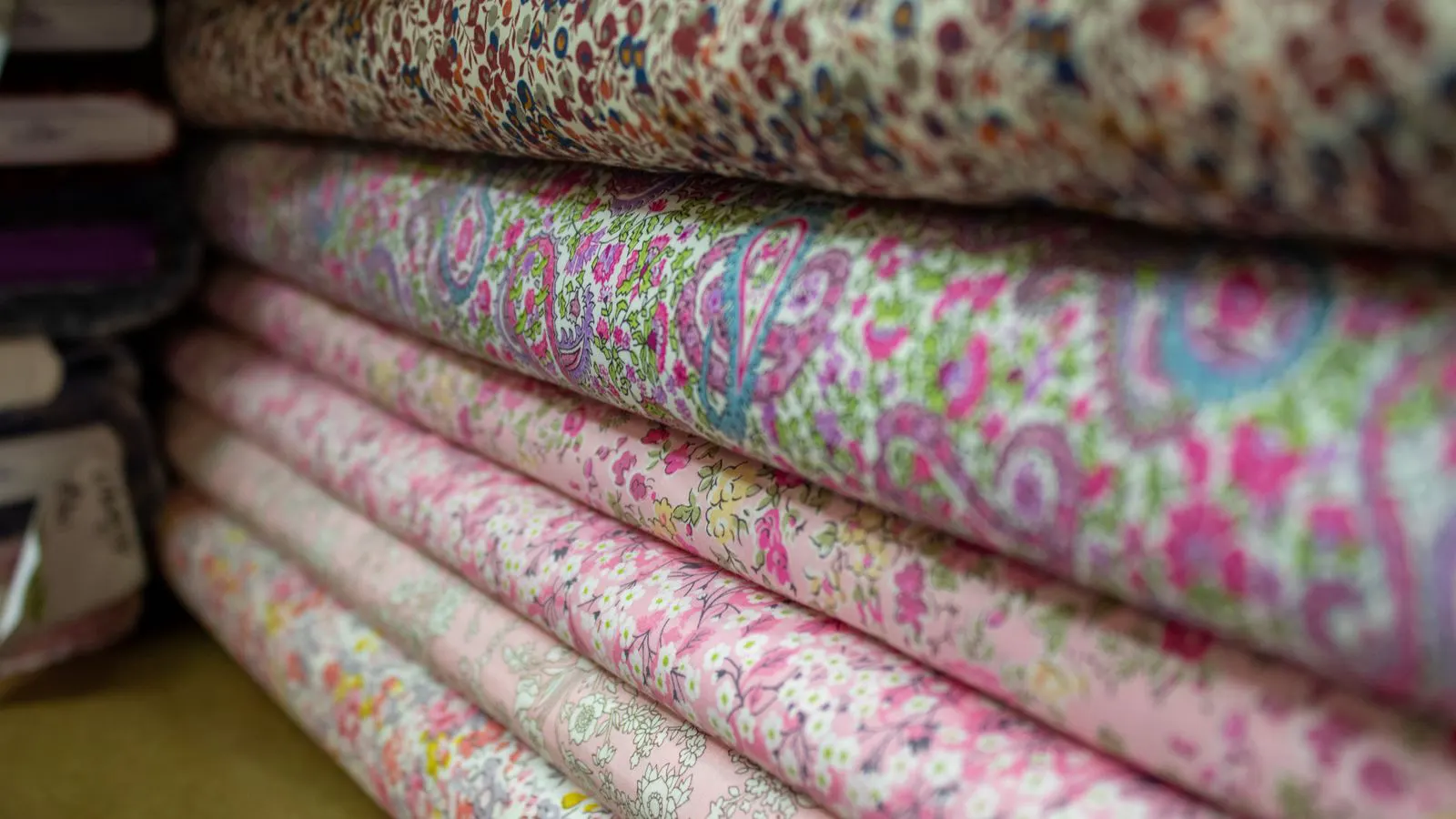
Spun bond and meltblown nonwovens differ in price due to fiber type and manufacturing complexity. Spun bond usually costs less per kilogram, while meltblown commands a
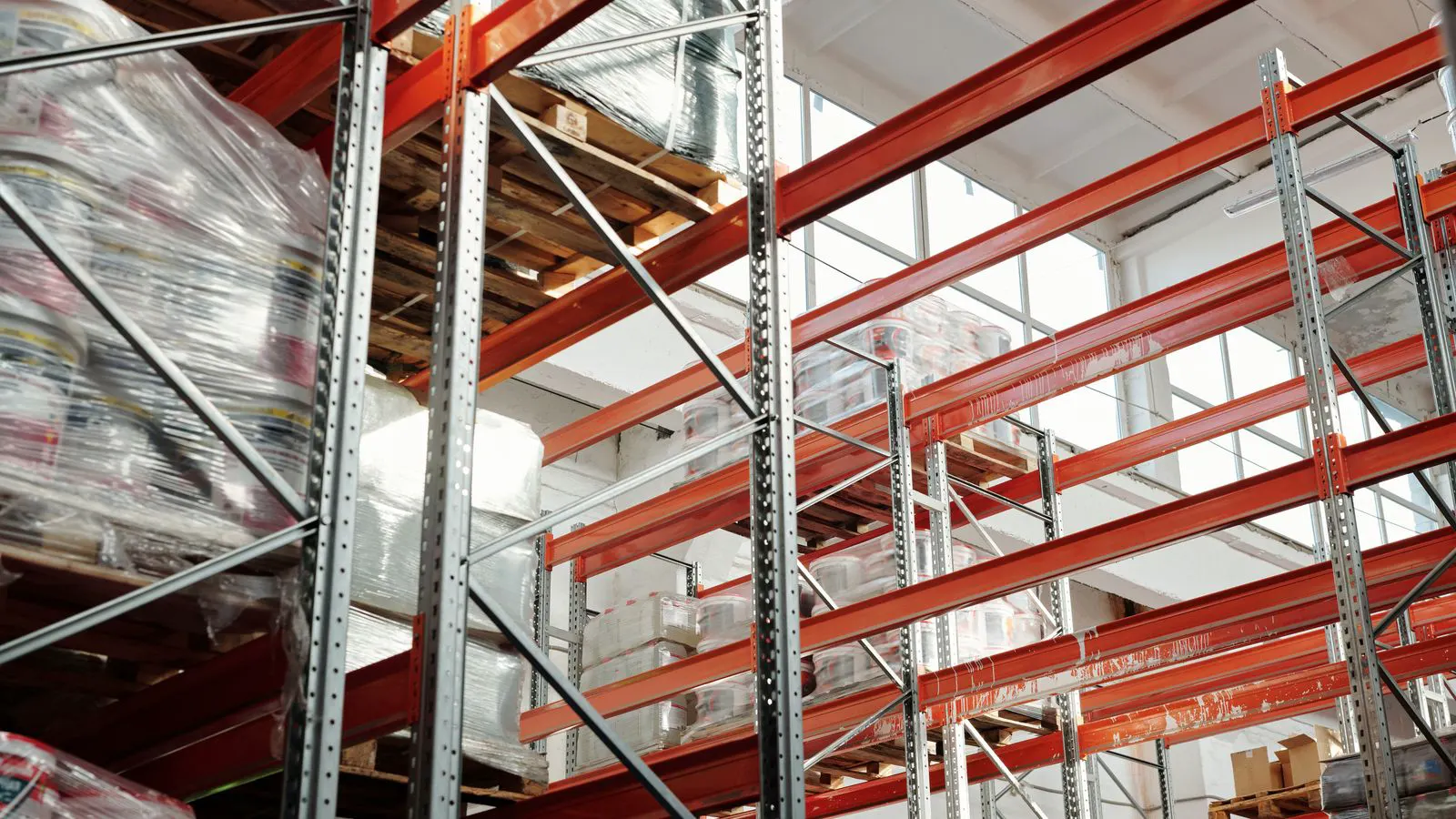
Nonwoven cost is driven by raw material type, fabric weight, finishing, and order volume. Lead times depend on production capacity and customization. This guide explains
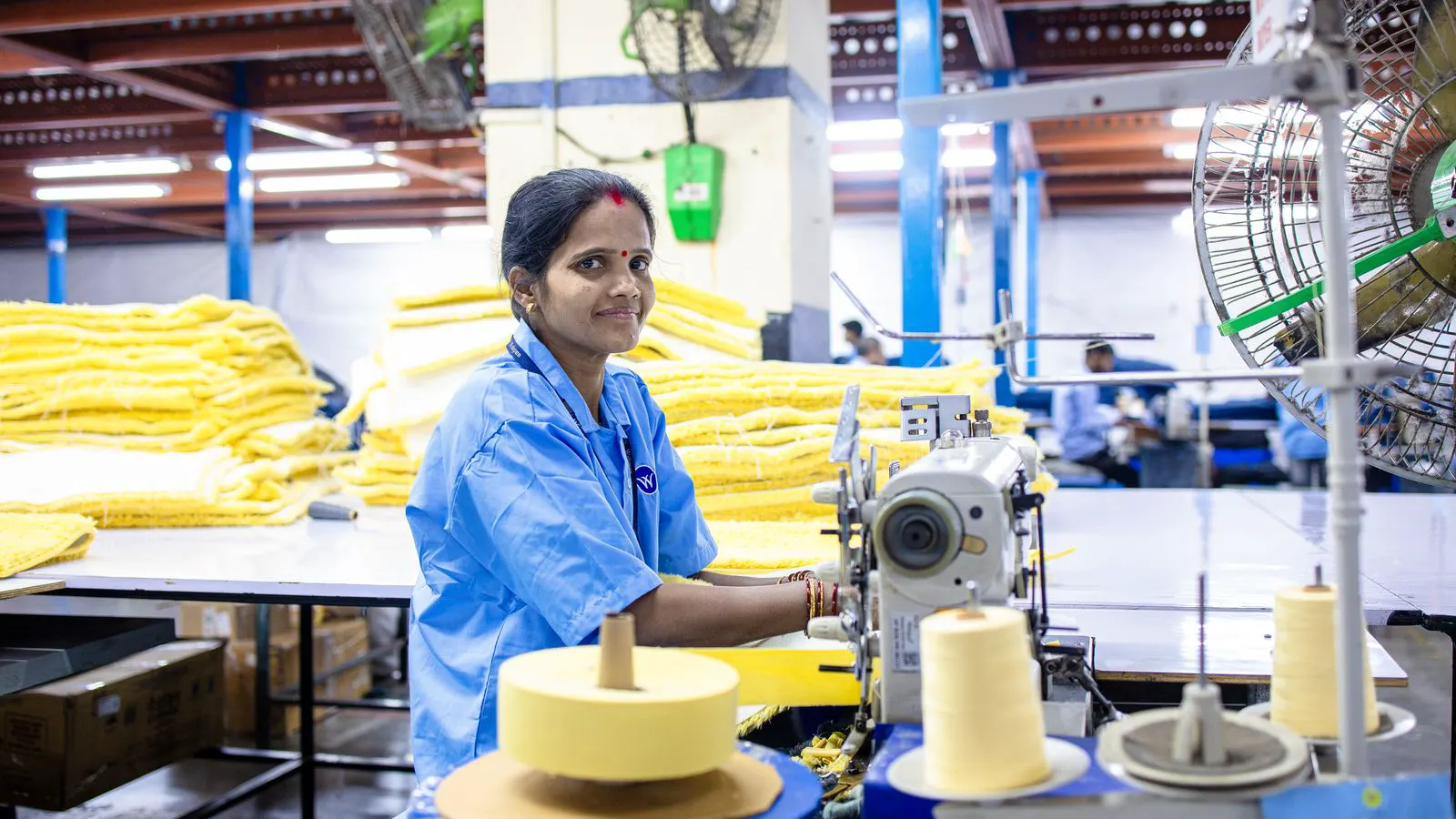
Choose a bulk nonwoven supplier by verifying production capacity, testing protocols, and contract terms. Focus on raw material sourcing, minimum order quantities, and
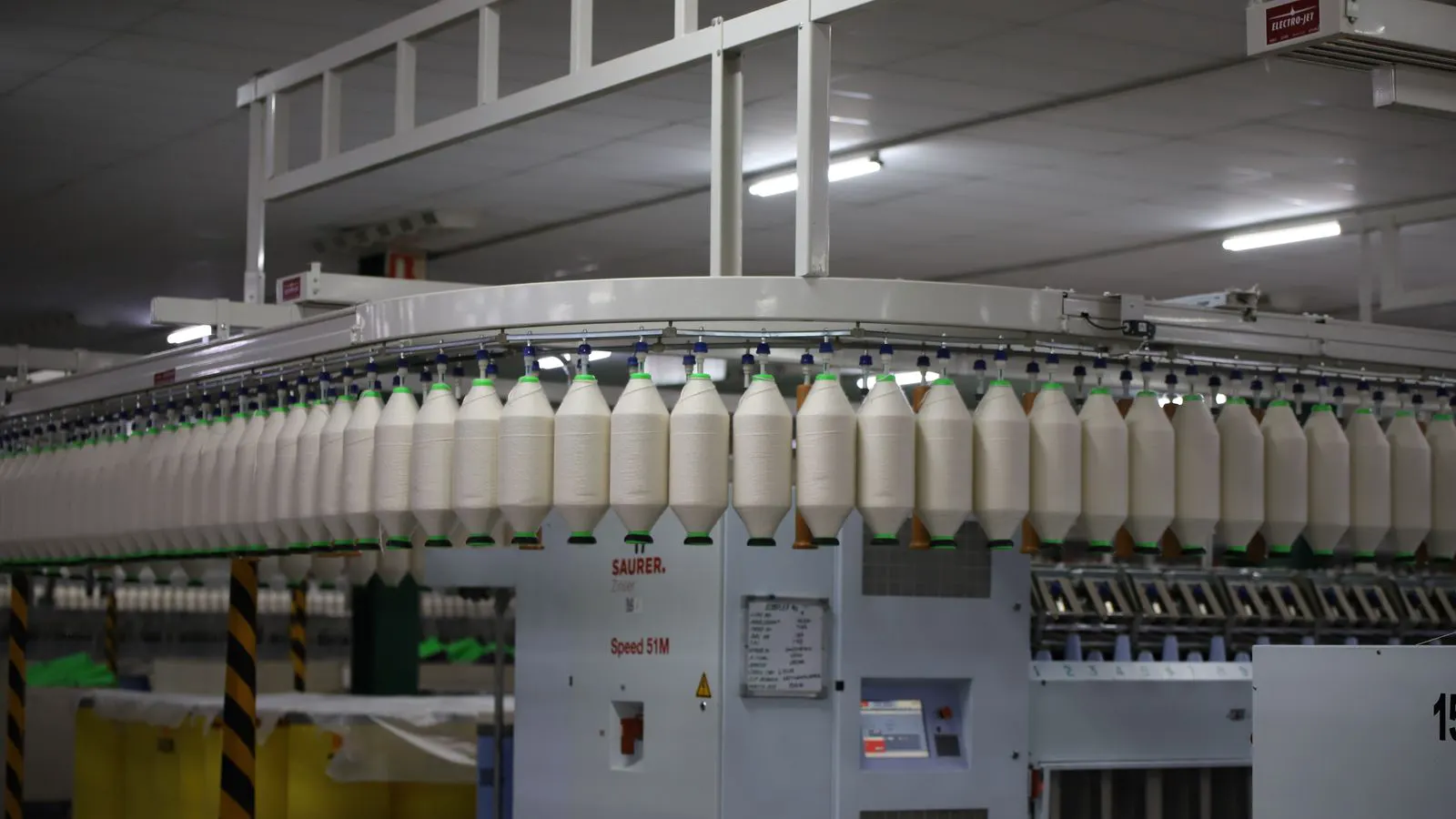
To forecast nonwoven fabric price, define your production parameters, obtain quotes based on width and GSM, add logistics and waste, and verify totals against actual
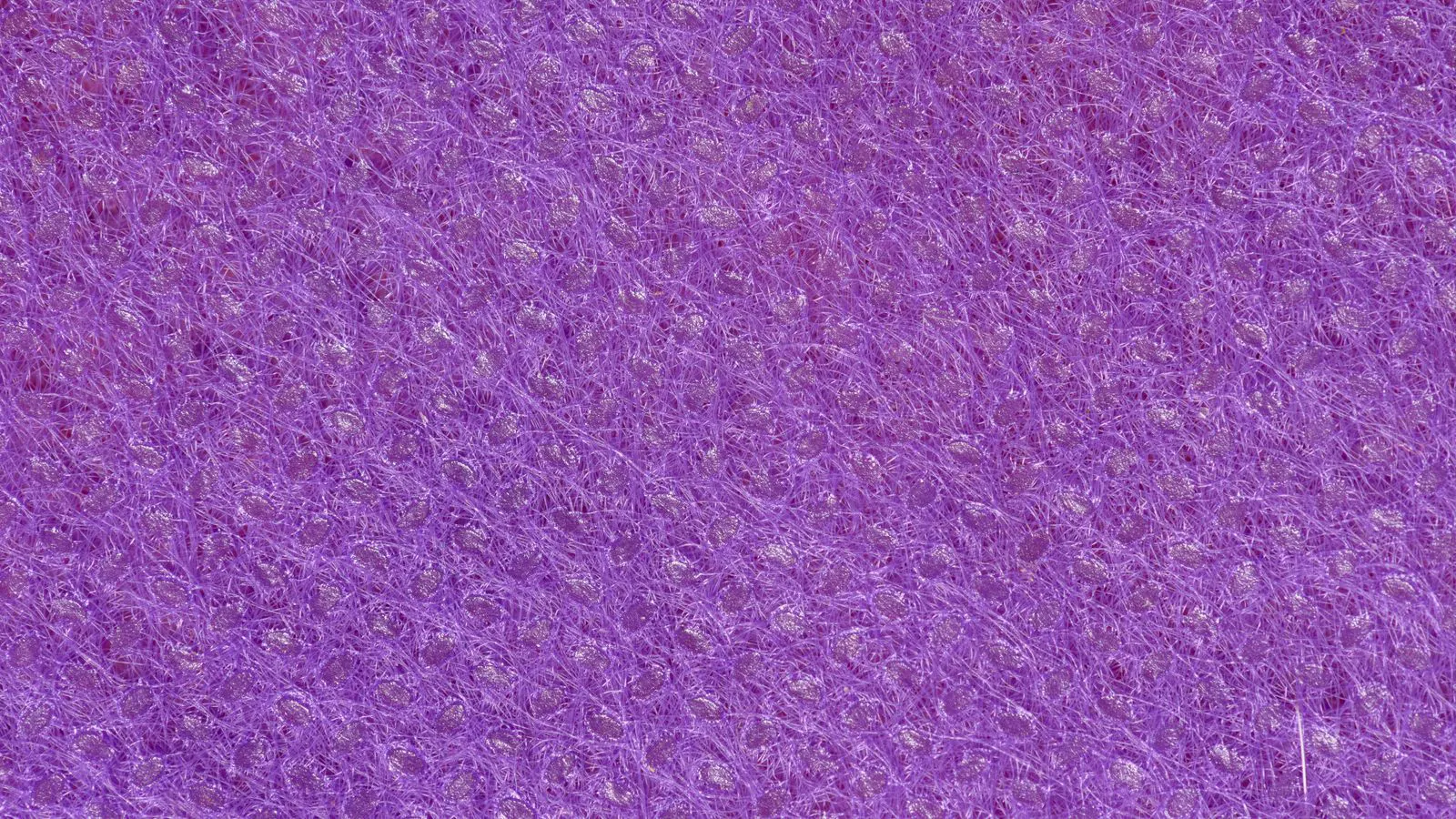
This checklist breaks nonwoven fabric pricing into raw material, processing, logistics, and compliance steps. It helps buyers calculate total landed cost and avoid
Smaller MOQs are achievable through transparent cost breakdowns, alternative material formats, and flexible order structures. This guide lists common sourcing symptoms
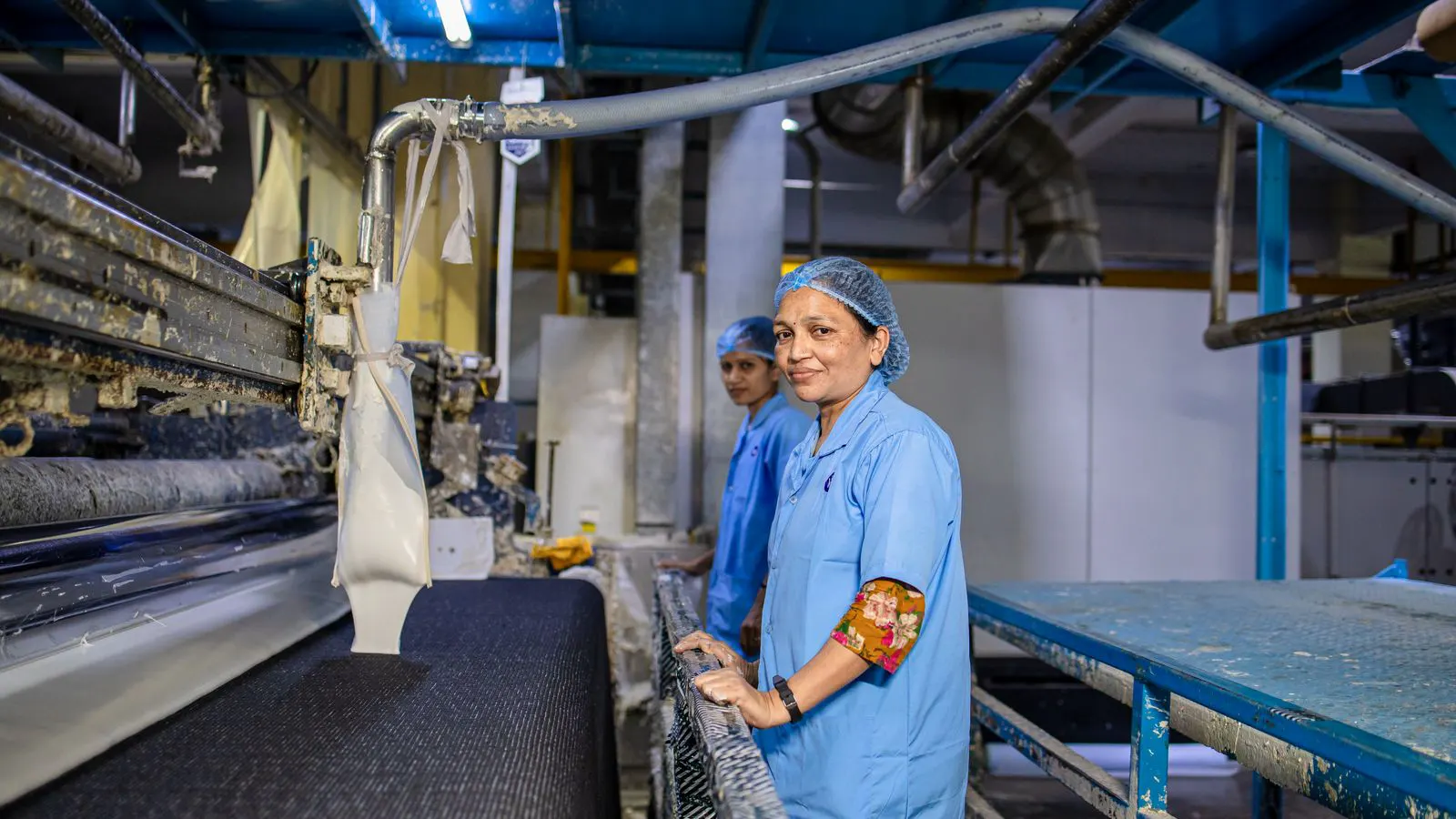
Nonwoven fabric price differences stem from raw material selection, manufacturing methods, finishing steps, and quality standards. Understanding these variables helps