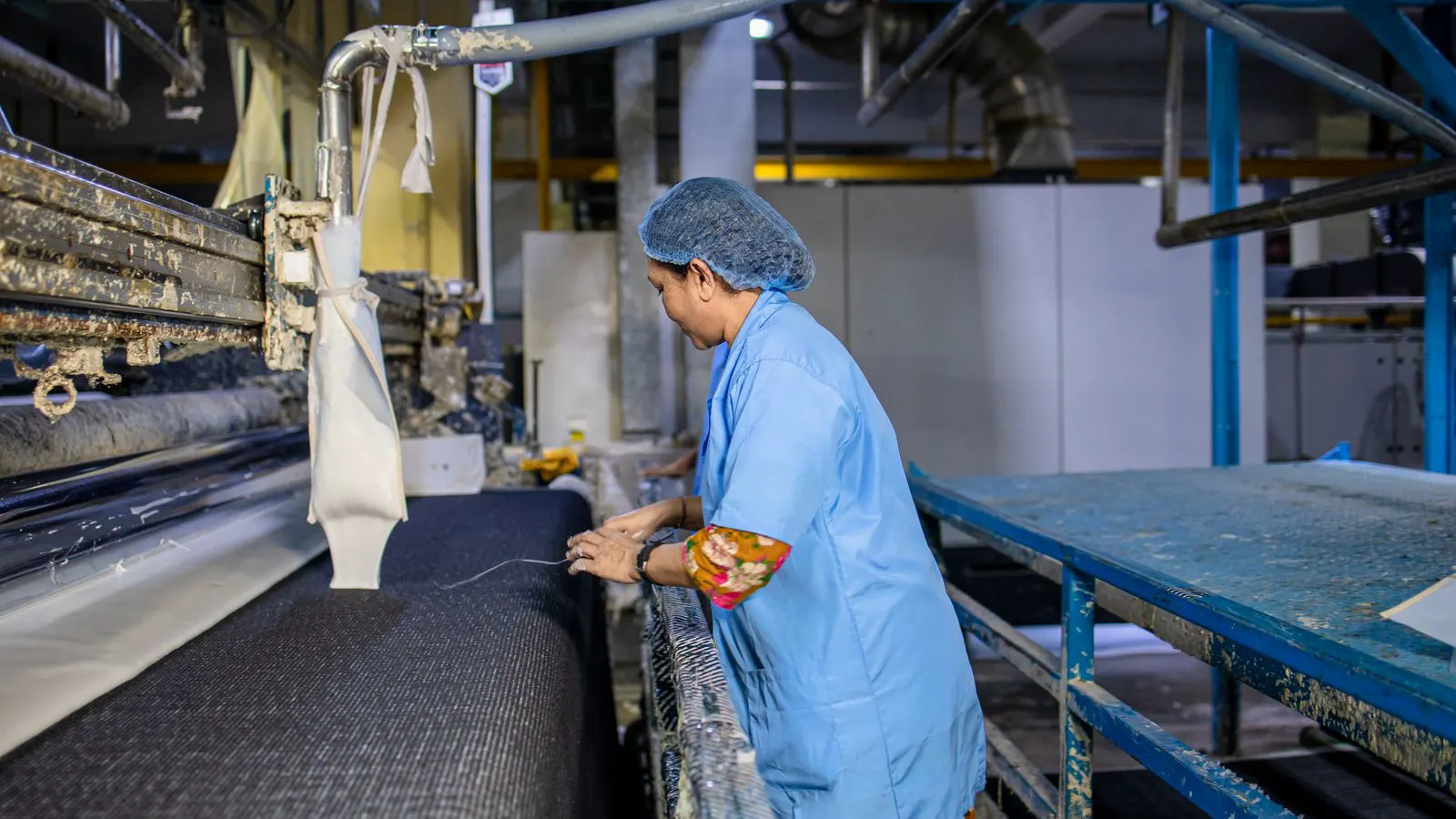
Spunbond & Meltblown
Outlook: Technical Trends in Meltblown Fiber Production
Future meltblown fabric production will focus on higher line speeds, tighter filtration metrics, and energy recovery. Buyers should plan for shorter lead times, stricter
Compare fiber structures, manufacturing methods, and material selection for spunbond and meltblown nonwoven fabrics.
Future meltblown fabric production will focus on higher line speeds, tighter filtration metrics, and energy recovery. Buyers should plan for shorter lead times, stricter
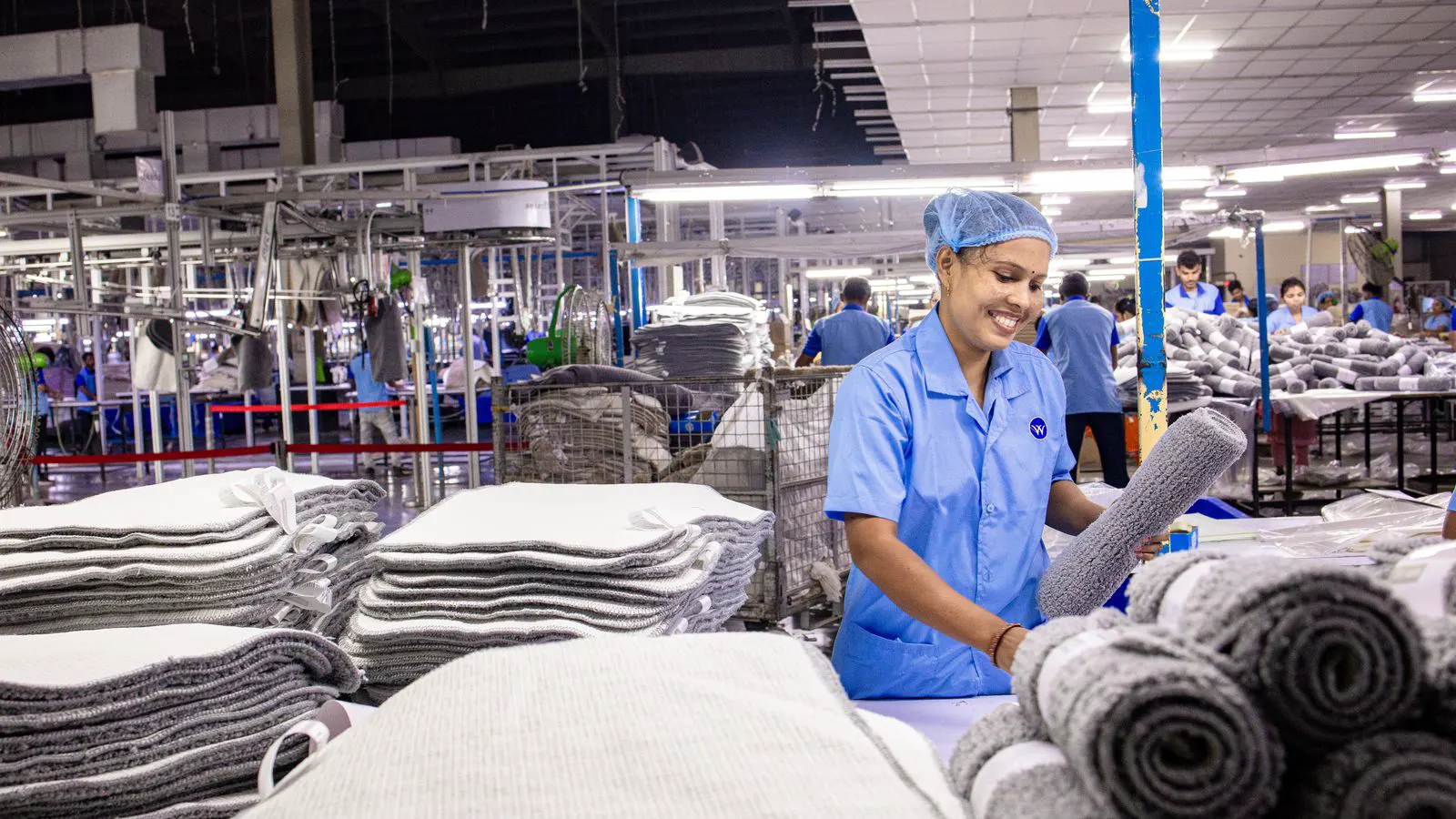
This checklist helps procurement managers verify key specifications before ordering spunbond nonwoven fabrics. It covers basis weight, roll dimensions, and quality

To test meltblown fabric for filtration, prepare standardized samples, verify equipment calibration, measure airflow resistance, run particulate challenges, and evaluate
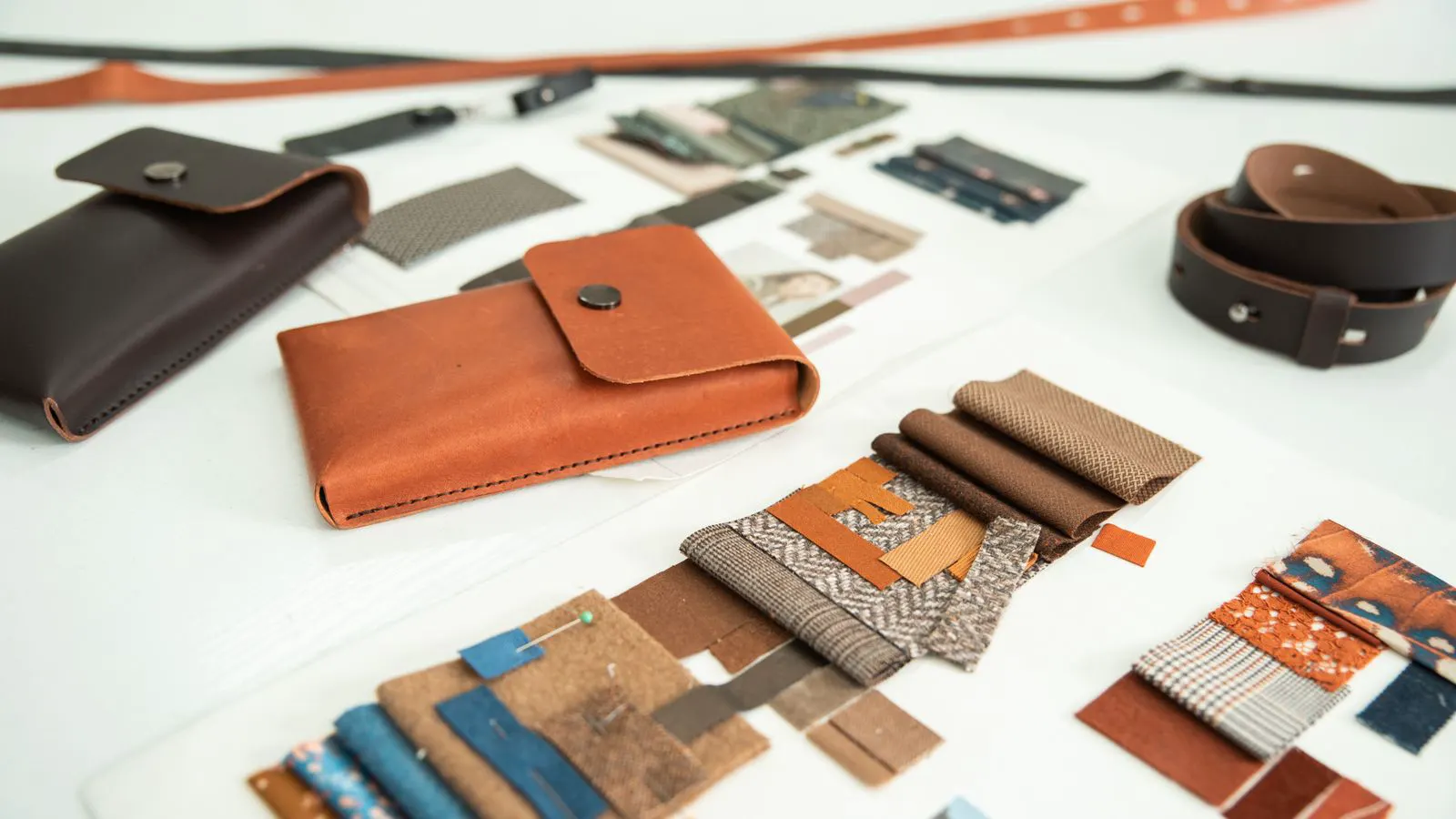
Spunbond nonwoven offers higher tensile strength and structural integrity than meltblown fabric due to its continuous filament construction. Meltblown fabric provides
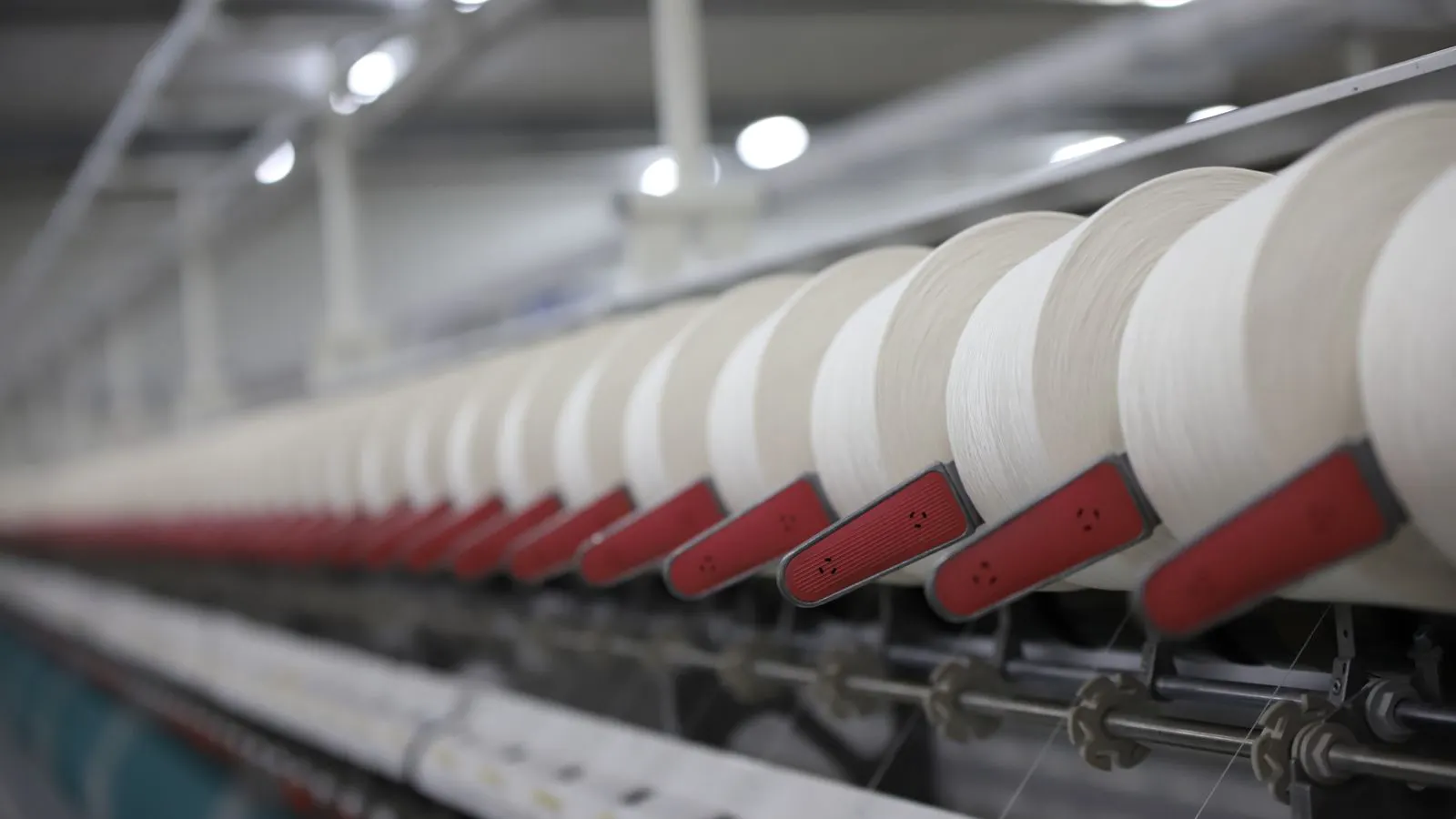
Meltblown fabric forms when polymer pellets are melted, blown through a die into fine filaments, and collected on a web. The resulting fiber diameter, weight, and bond

Selecting spunbond nonwoven fabric requires matching GSM, fiber orientation, and mechanical properties to your application. This guide outlines the key criteria for

SM fabric demand is shifting toward hybrid formats, higher performance grades, and stricter traceability. Buyers should plan for supply volatility, specification
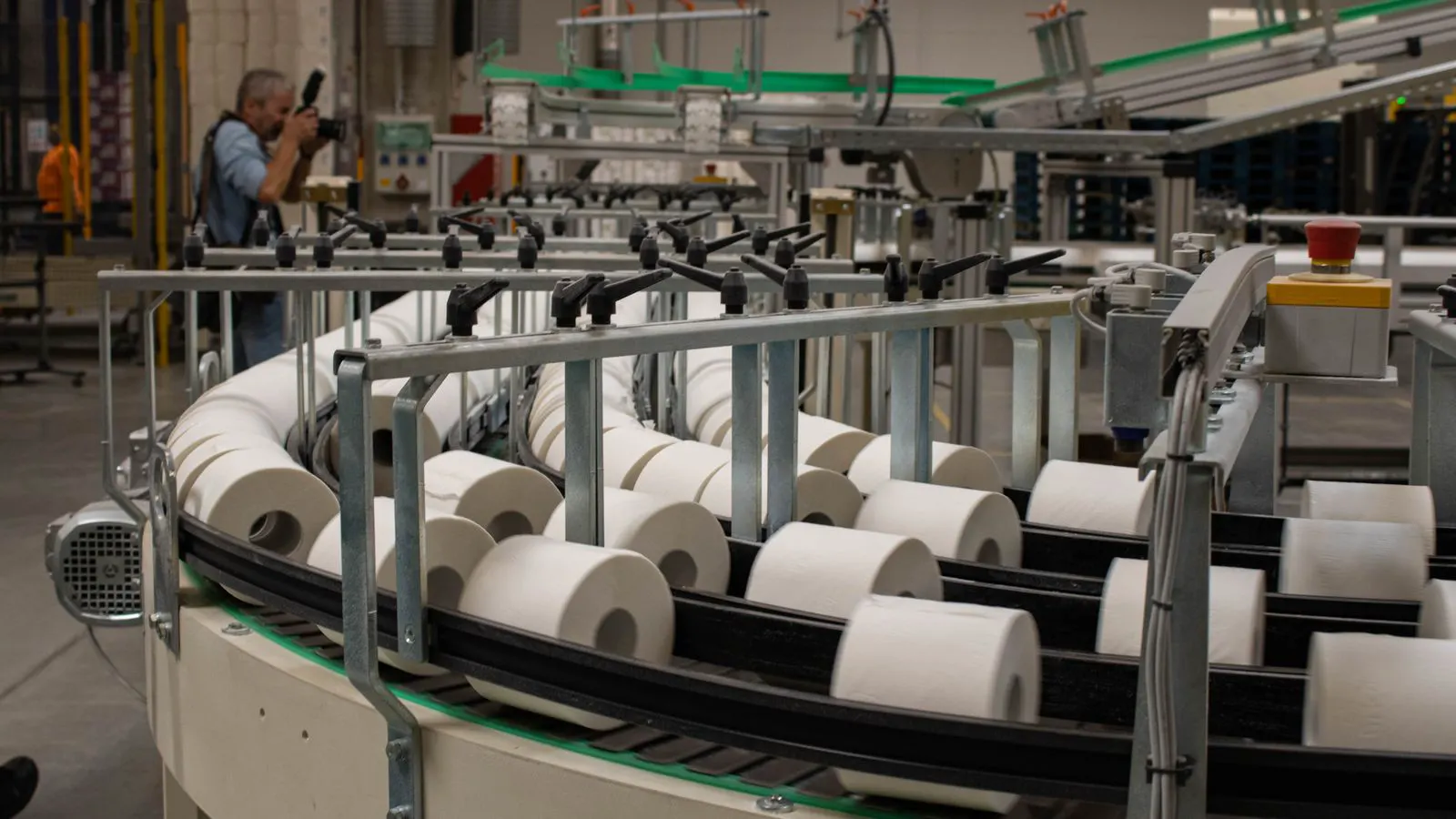
Low filament weight in meltblown fabric usually points to a drop in polymer melt index, a cooler melt point, or a clogged filter bag. Correcting these three variables
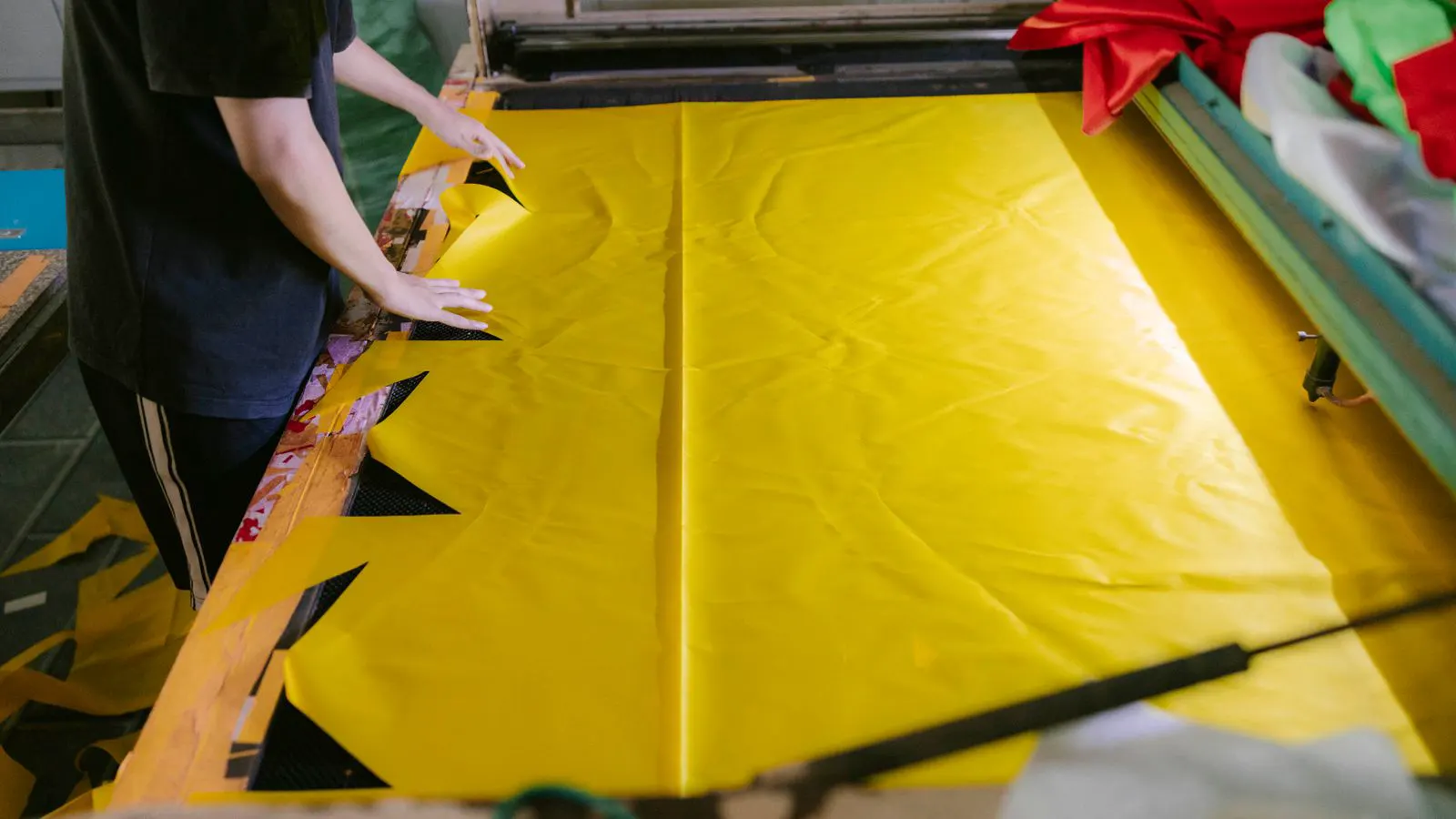
Spunbond nonwoven and meltblown fabric differ in cost and lead time due to different production methods. Spunbond generally costs less and ships faster. Meltblown costs