A practical nonwoven quality audit at the dock involves checking roll defects, verifying weight and basis weight, and inspecting packaging. This guide provides step-by-step instructions for incoming inspection, helping you catch roll defects before they reach your production line.
- A structured nonwoven quality audit prevents costly production stoppages caused by roll defects or specification mismatches.
- Verify roll weight and basis weight against purchase orders to detect under-weight or over-weight material.
- Inspect packaging and labels for damage, moisture exposure, and correct lot traceability before unloading.
- Document findings with photos and lot numbers to support supplier non-conformance reports.
- Use a consistent incoming inspection checklist to ensure every roll receives the same level of scrutiny.
What a Nonwoven Quality Audit Actually Covers
A nonwoven quality audit at the dock is a physical check that confirms the rolls match the purchase order before they enter your facility. It is not a substitute for full lab testing, but it catches the defects that stop lines and waste material. If you receive a pallet of nonwoven fabric and the top roll is wrinkled, the bottom roll is damp, or the labels do not match the paperwork, your production schedule is already at risk.
The goal of an incoming inspection is simple. Confirm that the material is what you ordered, that it arrived in usable condition, and that it can be traced back to a specific lot. This protects your operations from silent failures, such as inconsistent weight or hidden contamination, that would only surface during production.
Prerequisites before starting the audit
Before you begin the inspection, gather the following items:
- Purchase order or packing list with lot numbers and basis weight specifications
- A calibrated scale or digital scale capable of weighing full rolls
- A measuring tape or ruler for checking roll width and diameter
- A flashlight or inspection lamp for checking surface defects
- A camera or smartphone for documenting defects
- A clipboard or tablet with your incoming inspection checklist
- PPE such as gloves and safety glasses if the material is coarse or contains fibers
Having these tools ready prevents delays. Do not start unloading until you have the paperwork and the scale verified. If the scale has not been zeroed or checked with a known weight, the audit is invalid.
Step 1: Verify the Shipping Documentation Before Unloading
Match the purchase order to the delivery notes, bill of lading, and packing list. Confirm that the lot numbers on the rolls match the documents. Check the basis weight, fabric type, roll width, and roll diameter listed on the paperwork.
Why this matters: A mismatch at the dock is far cheaper to resolve than a mismatch discovered during production. If the supplier shipped the wrong fabric type or the wrong weight, you can reject the shipment while it is still on the truck. If you unroll the wrong material and start cutting, the cost of rework and wasted labor multiplies rapidly.
Common mistake: Assuming the supplier shipped the correct material because the labels look similar. Always verify the lot number and the basis weight printed on the label, not just the fabric type name.
Step 2: Inspect the Outer Packaging for Damage
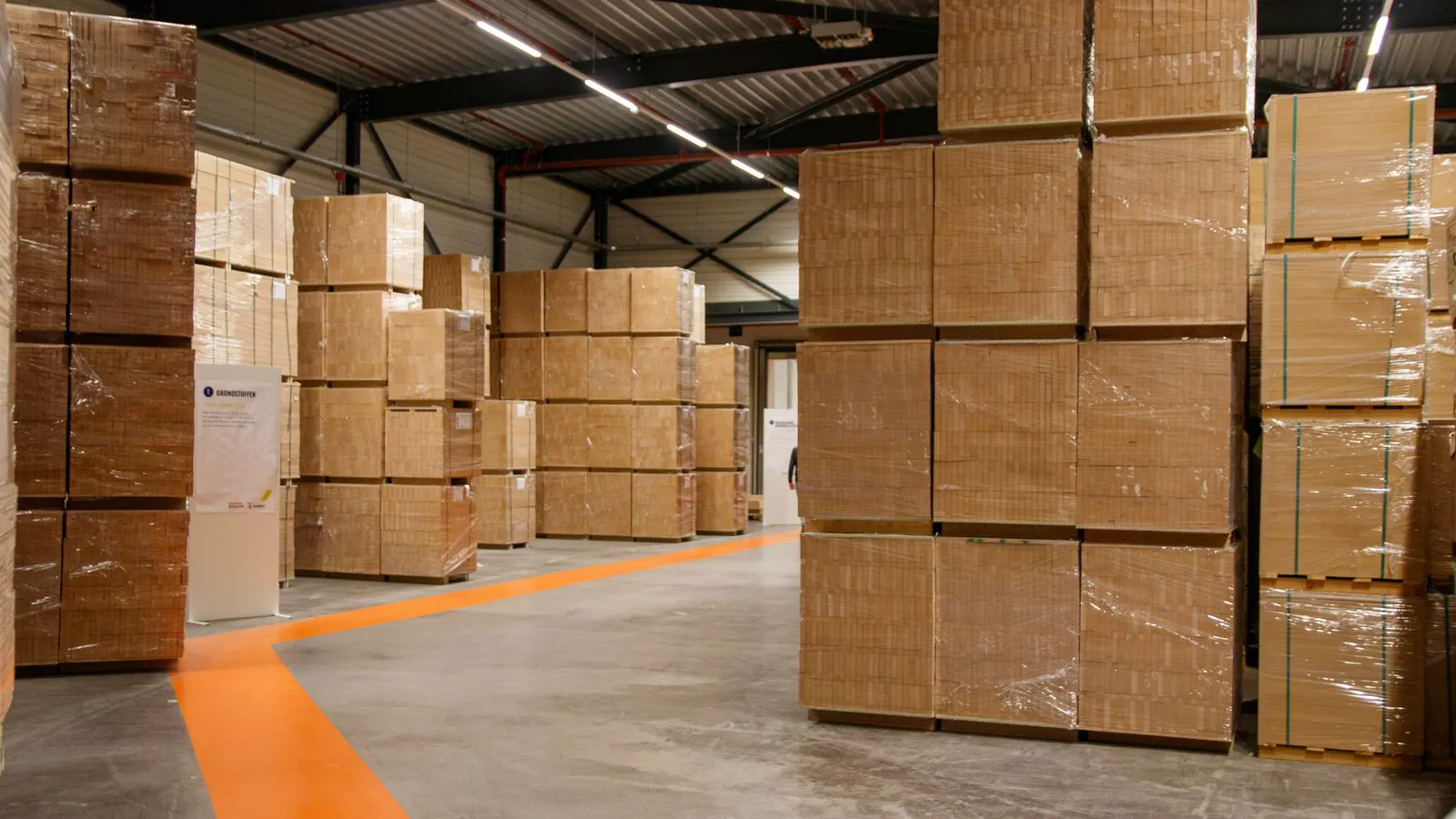
Before cutting any straps, look at the shrink wrap, cartons, or wooden pallets. Check for punctures, tears, water stains, or crushed corners. If the packaging is wet, the rolls inside are likely compromised. Nonwoven fabrics are hygroscopic to varying degrees, and moisture absorption changes the basis weight and can introduce mold.
Why this matters: Packaging damage is the fastest indicator of a transport problem. If the outer layer is breached, you cannot assume the interior is dry. This step protects you from receiving material that will fail downstream quality checks.
Common mistake: Ignoring minor water stains because the fabric looks dry on the surface. Moisture can migrate into the core of the roll before you notice it.
Step 3: Check Roll Labels and Lot Traceability
Pull the label from a representative roll, preferably one from the middle of the pallet, not just the top roll. Read the lot number, manufacture date, roll width, roll diameter, and basis weight. Compare each value to the purchase order.
Why this matters: The middle roll is less likely to have been swapped or damaged during loading. If the labels do not match the paperwork, you have a traceability problem. Without a reliable lot number, you cannot report a defect back to the supplier or hold other rolls from the same batch.
Common mistake: Relying only on the top roll label. The top roll is the first one a worker handles, and it is the most likely to be mislabeled or swapped.
Step 4: Weigh the Roll to Confirm Basis Weight
Use a calibrated scale to weigh the roll. Record the gross weight, subtract the core weight if known, and calculate the net fabric weight. Compare this to the expected weight based on the basis weight, roll diameter, and roll width. A significant deviation indicates either the supplier shipped a lighter roll or the fabric absorbed moisture during transit.
Why this matters: Basis weight is the single most common point of dispute in nonwoven transactions. If the roll is under-weight, your production yield will drop. If it is over-weight, you are paying for material you did not order. A quick weigh-in at the dock prevents this from becoming a billing dispute later.
Common mistake: Weighing only one roll and assuming the rest are the same. Always weigh at least two or three rolls, including one from the bottom of the pallet. Bottom rolls are more likely to be compressed or have absorbed moisture from the pallet.
Step 5: Inspect the Fabric Surface for Roll Defects
Unroll a small section of the fabric from the top roll and check the surface under good lighting. Look for:
- Stains or discoloration
- Holes or thin spots
- Fuzzy or uneven fiber distribution
- Wrinkles or creases that do not smooth out
- Foreign objects or contamination
Why this matters: Surface defects are visible and easy to miss if you do not check systematically. A single hole in a filtration roll can ruin an entire batch. A thin spot can cause a break during the cutting process. Catching these at the dock means you can reject the roll before it enters your inventory.
Common mistake: Inspecting only the top roll. Defects can be hidden in the core or at the bottom of the roll. Always unroll a section from at least two rolls.
Step 6: Check Roll Width and Diameter
Measure the roll width and diameter with a tape measure. Compare the measurements to the purchase order. A roll that is narrower than specified will reduce your production yield. A roll that is too wide may not fit your unwinding machine.
Why this matters: Dimensional accuracy affects your line setup and your material usage calculations. If the roll width is off by even a small amount, your cutting pattern may not align correctly, leading to wasted trim.
Common mistake: Assuming the roll is the correct size because it looks similar to previous shipments. Measure every roll that enters your facility.
Step 7: Assess Moisture and Odor
Hold the fabric near your nose and check for a chemical odor, a musty smell, or a wet smell. If the fabric smells like water, vinegar, or chemicals, stop the audit and quarantine the roll. Nonwoven fabrics can pick up odors from packaging, pallets, or transport vehicles.
Why this matters: Odor is a strong indicator of contamination or moisture exposure. In medical, food, or filtration applications, an off-odor can disqualify the entire lot. You cannot fix an odor once the fabric is in production.
Common mistake: Ignoring a faint odor because the fabric looks clean. If you smell something unusual, treat it as a defect.
Step 8: Document All Findings
Record every defect with a photo, the roll number, and the location of the defect on the roll. Use a standard form that includes the lot number, date, inspector name, and a description of the problem. If the roll fails, mark it with a red tag and move it to a quarantine area.
Why this matters: Documentation is your proof. Without photos and written notes, you cannot prove a defect existed. If you need to file a non-conformance report with the supplier, these records are your evidence.
Common mistake: Taking a blurry photo or writing a vague note like “bad roll.” Be specific. Note the exact location, the type of defect, and the roll number.
Step 9: Make a Go or No-Go Decision
Based on your findings, decide whether to accept, reject, or hold the shipment. If the defects are minor and do not affect your production, you may accept the roll with a note. If the defects are major, such as holes, moisture, or wrong weight, reject the roll. If you are unsure, hold the roll and contact the supplier.
Why this matters: A clear decision at the dock prevents bad material from entering your production queue. If you accept a defective roll without a clear plan, you risk using it by mistake. If you reject it without documentation, you lose your use with the supplier.
Common mistake: Accepting a roll with a minor defect to avoid delay. A minor defect at the dock can become a major problem on the line. Always make the decision based on your production tolerance, not on convenience.
Common Mistakes That Cost Production Lines
- Skipping the weigh-in because the fabric looks fine.
- Inspecting only the top roll and assuming the rest are identical.
- Failing to record lot numbers and photos.
- Accepting wet packaging without checking the interior.
- Not verifying the scale calibration before weighing.
Final Verification Step: Recheck Before Production
Before the material moves from the dock to the warehouse or the line, do a final check. Confirm the quarantine area is empty or clearly marked. Confirm the accepted rolls are stored on dry pallets, away from direct sunlight and moisture. Confirm the paperwork is filed and the supplier has been notified if any rolls were rejected.
This final step closes the loop. It ensures that the audit was not just a formality but a real control point. If the material is ready for production, it is ready. If it is not, it stays out.
When to Escalate a Nonwoven Quality Audit
If a supplier repeatedly fails the incoming inspection, escalate the issue. Provide the supplier with the photos, lot numbers, and weight records. Request a corrective action plan. If the problem continues, review the sourcing options. A supplier who cannot deliver consistent quality at the dock will not deliver it at your line.
The nonwoven quality audit is not a one-time event. It is a habit. Every roll that enters your facility should pass the same checks. Over time, this discipline reduces defects, improves yield, and strengthens your relationship with suppliers who respect your standards.
Frequently asked questions
How many rolls should I inspect during an incoming inspection?
Inspect at least three rolls from each pallet: one from the top, one from the middle, and one from the bottom. This gives you a representative sample of the shipment.
What if the roll weight is slightly below the purchase order specification?
If the deviation is within your production tolerance and does not affect yield, you may accept the roll with a note. If the deviation is outside tolerance, reject the roll or hold it pending supplier confirmation.
Can I use a bathroom scale to weigh nonwoven rolls?
No. A bathroom scale is not calibrated for industrial use and may not be accurate enough. Use a digital floor scale or a platform scale with a resolution of at least one pound or one kilogram.
What should I do if the packaging is wet but the fabric inside looks dry?
Treat the roll as potentially compromised. Unroll a section and check for moisture absorption, odor, and weight deviation. If you find any sign of moisture, quarantine the roll.
How do I file a non-conformance report with a supplier?
Include the lot number, date of receipt, photos of the defect, weight records, and a clear description of the problem. Attach the incoming inspection checklist and your go or no-go decision. Send the report to the supplier quality contact within 48 hours.