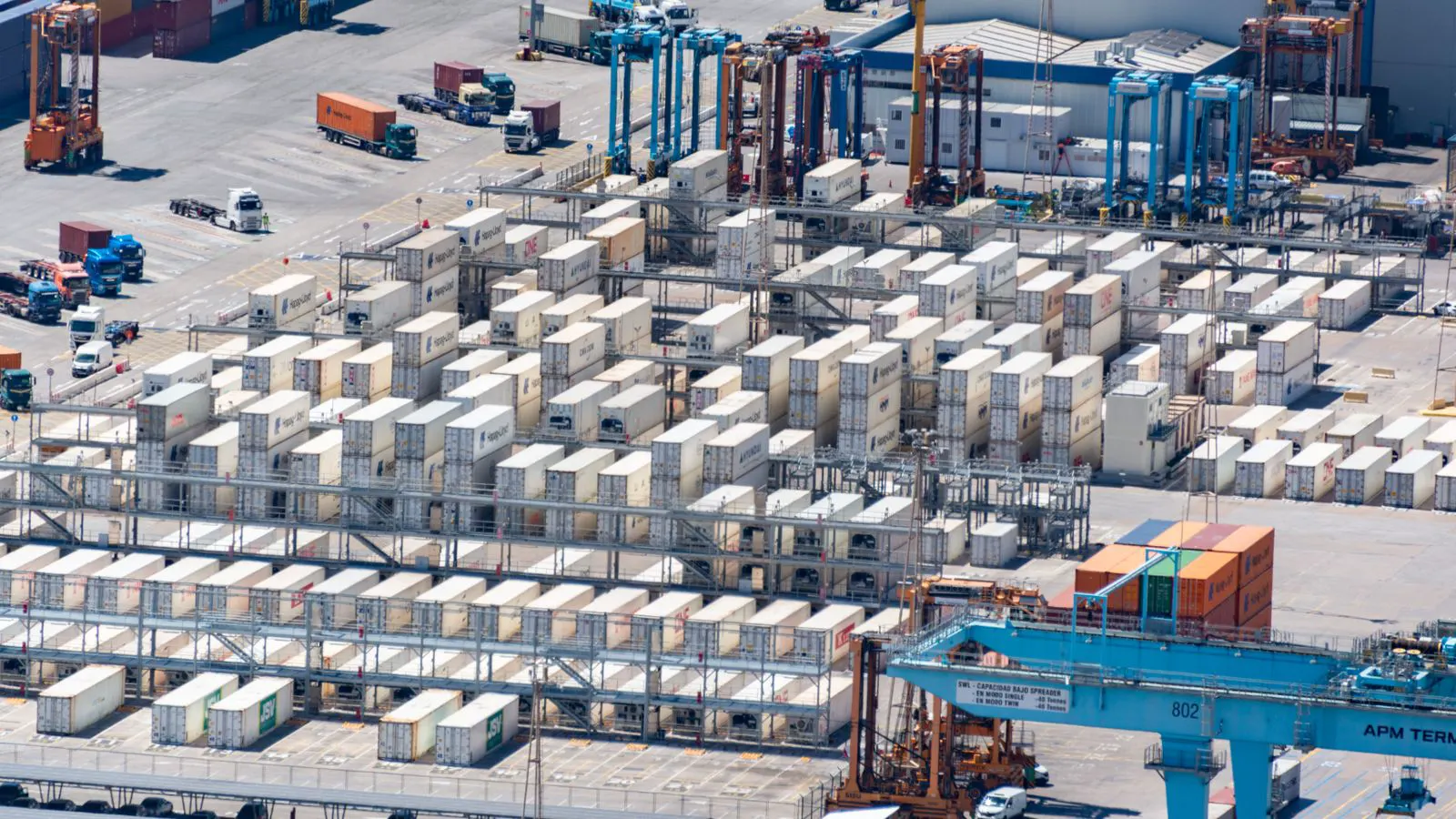
Importing nonwoven fabrics requires managing variable logistics and procurement costs. Lead times depend on production capacity, shipping routes, and customs clearance. A clear RFQ helps suppliers provide accurate quotes. Comparing landed costs reveals the true price of international sourcing.
- Total landed cost includes freight, insurance, duties, and local handling, not just the fabric price.
- Lead times vary based on production queues, shipping method, and customs processing speed.
- A detailed RFQ with exact specs and delivery dates prevents quote discrepancies during negotiation.
- Comparing quotes requires normalizing data so freight and duty differences do not mask the true product price.
What drives the total cost of imported nonwovens
The sticker price on a nonwoven fabric quote rarely reflects the final amount paid. Procurement costs stack up across multiple stages. The supplier charges for the material, labor, and quality control. The freight forwarder charges for moving the goods from the factory to the port. The carrier charges for the ocean or air leg of the journey. Customs authorities charge duties and fees based on the declared value and material composition.
Several factors shift these numbers. The type of nonwoven fabric matters. Meltblown and spunbond fabrics differ in density and roll dimensions. Heavier rolls require more pallets, more container space, and more handling. The origin of the fabric influences freight rates and duty rates. Shipping from a nearby regional hub costs less than moving goods across an ocean. The mode of transport determines speed and price. Air freight moves goods faster but costs significantly more per kilogram than sea freight.
Payment terms also affect cash flow. Letters of credit require bank fees and documentation review. Open account terms allow the buyer to pay later but shift credit risk to the supplier. Currency exchange rates change the final invoice amount. If the supplier bills in a foreign currency and the buyer pays in another, the exchange rate at the time of payment determines the true cost.
How long does it take to receive fabric from an overseas supplier
Lead time is the period between placing a purchase order and the fabric arriving at the buyer’s warehouse. It is not a single number. It is a chain of events. Production time depends on the supplier’s current order book. A busy mill may have a queue of several weeks. A smaller facility may start production immediately.
The freight leg is the longest variable. Ocean shipping often takes several weeks depending on the route. Air shipping takes days but costs more. Transit time is not the whole story. Customs clearance adds time. The broker must file documents and inspect the cargo if selected. Delays happen when paperwork is missing or when the fabric fails an initial check.
Local delivery adds the final stretch. From the port to the buyer’s plant, the fabric must be trucked or rail-hauled. If the buyer needs the fabric at a specific site, that adds a local distribution step. The total lead time is the sum of production, export clearance, transit, import clearance, and local delivery.
How to write a clear RFQ for international suppliers
A Request for Quote (RFQ) is the foundation of a fair comparison. Vague RFQs lead to vague quotes. Suppliers may assume standard specs, standard packaging, or standard delivery terms. The buyer must remove ambiguity.
Start with the technical specification. List the fabric type, weight, thickness, and width. Include any coating or laminate. State the required color and finish. Reference internal standards or industry specifications if available. The buyer should attach a sample description or a photo if the fabric has a unique surface texture.
Next, define the quantity and packaging. State the exact weight or meterage required. Specify roll size and core type. Ask for the packing list format. Request the Certificate of Analysis or a test report to be included with each shipment.
Finally, state the commercial terms. Include the Incoterms, such as FOB, CIF, or DDP. Define the delivery date. State the payment terms. Specify the destination port or address. A clear RFQ allows the supplier to calculate freight and duties accurately. It also allows the buyer to compare quotes from different regions on the same basis.
How to compare quotes from different suppliers fairly
Suppliers often quote the fabric price without freight or duties. This creates a false sense of cost. A supplier in a distant country may offer a lower fabric price but higher shipping costs. A supplier in a nearby region may charge more for the material but have lower logistics fees.
To compare quotes fairly, the buyer must calculate the landed cost. This includes the product price, international freight, insurance, customs duties, and local handling. The buyer should ask each supplier for a breakdown. If a supplier refuses to provide a breakdown, that is a red flag. It suggests the quote may be padded or that the supplier does not understand the logistics chain.
Normalization is key. Convert all quotes to the same currency. Calculate cost per kilogram or cost per meter. Account for differences in fabric density. A lighter fabric may have a lower cost per kilogram but requires more meters to cover the same area. The buyer should also compare lead times. A slightly higher price with a shorter lead time may be more valuable if the buyer faces production downtime.
How logistics choices affect price and speed
Logistics decisions shape both cost and delivery speed. The primary choice is between sea and air freight. Sea freight is slower but cheaper. It is suitable for bulk orders where the buyer has inventory to manage. Air freight is fast but expensive. It is suitable for urgent orders or small quantities where the cost of delay exceeds the freight premium.
The route matters. Direct shipping is faster and often cheaper than transshipment. Transshipment involves moving goods from one port to another, adding handling and time. The buyer should ask the freight forwarder for route options. A route via a major hub may be more reliable than a direct route that faces congestion.
Packaging affects logistics cost. Rolls of nonwoven fabric are bulky. They take up space even if they are not heavy. The buyer should specify the packing method. Palletized rolls are easier to handle and stack. Loose rolls are cheaper to pack but harder to move. The choice of packaging impacts the number of pallets and the container utilization.
Common mistakes that inflate procurement costs
Buyers often underestimate the cost of documentation. Each missing or incorrect document can cause a delay at the port. A wrong invoice value can lead to a duty dispute. A missing certificate of origin can block preferential trade rates. The buyer should assign one person to manage all export and import documents.
Another mistake is ignoring quality inspection. Fabric arrives in the warehouse and fails a check. The buyer must send it back or use a lower grade. This creates extra freight and handling costs. The buyer should require a pre-shipment inspection. A third-party inspector can check the fabric against the spec before loading. This avoids the cost of rejected cargo.
Currency risk is another common error. If the buyer agrees to pay in a volatile currency, the final cost may be higher than expected. The buyer should lock in the exchange rate or pay in a stable currency. The supplier may refuse this, so the buyer should be prepared to negotiate.
How to manage risk during international sourcing
International sourcing carries specific risks. The supplier may delay production. The carrier may lose the shipment. The fabric may arrive damaged. The buyer needs a plan for each scenario.
For production delays, the buyer should build buffer time into the project schedule. Do not schedule the fabric arrival on the same day as the production start. For lost shipments, the buyer should require cargo insurance. The insurance policy should cover the full value of the goods, including freight and duties. For damage, the buyer should include a clause in the purchase order that requires the supplier to replace damaged goods at no cost.
Communication is the key to managing risk. The buyer should set up a weekly check-in with the supplier and the freight forwarder. Ask for production updates and shipping milestones. If a delay is detected, act early. Do not wait until the fabric is at the destination. Early action allows the buyer to find alternative transport or adjust the production schedule.
| Cost Driver | Description | Impact on Budget |
|---|---|---|
| Material Price | Cost of the nonwoven fabric per unit weight | Highest variable cost |
| International Freight | Ocean or air shipping fees | Varies by route and mode |
| Customs Duties | Taxes imposed by the importing country | Depends on HS code and value |
| Insurance | Coverage for loss or damage in transit | Usually a small percentage |
| Local Handling | Unloading, storage, and last-mile delivery | Adds to final landed cost |
Frequently asked questions
What is the difference between FOB and CIF prices for imported fabric?
FOB means the seller pays until the goods are on board the ship. CIF includes freight, insurance, and cost to the buyer's destination port. CIF is often easier for the buyer to compare because it includes more costs.
How long does customs clearance typically take for nonwoven fabrics?
Clearance time depends on the country and the completeness of the documents. With correct paperwork, it can be quick. If documents are missing or the cargo is selected for inspection, it takes longer.
Can I get a lower price by ordering in bulk?
Bulk orders often reduce the cost per kilogram. The supplier may offer a discount for larger quantities. However, bulk orders increase the freight and storage costs on the buyer's side.
What should I do if the fabric arrives with a quality defect?
Document the defect with photos and samples immediately. Notify the supplier and the freight forwarder. The supplier should be responsible for replacement or refund if the fabric failed the agreed specification.
Is it better to use a freight forwarder or a carrier directly?
A freight forwarder handles the coordination of multiple carriers and documentation. They can offer better rates and more options. A direct carrier may be simpler for a single route but offers less flexibility.