Oil filter clogging usually stems from fiber sizing mismatches, contamination, or incorrect media selection. This guide explains how to identify symptoms, isolate causes, and apply targeted fixes to restore filtration performance and extend service intervals.
- Clogging in oil filter media often traces back to fiber sizing, bond strength, or contamination.
- Pressure drop increases when pores close or when the system exceeds the media design limit.
- Matching fiber size and bond type to the fluid and filtration load prevents early failures.
- Regular inspection and correct flow management extend service life.
- Documenting symptoms and fixes helps identify recurring root causes.
Recognizing the symptoms of oil filter failure
An oil filter that starts to clog rarely fails in isolation. Operators usually notice a pattern. The pressure gauge reads higher than it did at startup. Flow drops slightly. The unit takes longer to reach operating temperature. Sometimes the alarm triggers before the operator sees a visible drop in performance.
These signals matter because they narrow the diagnosis. A slow pressure rise across many cycles points to a media or sizing issue. A sudden spike after a single shift often indicates contamination, a damaged element, or a blockage upstream of the filter. The same symptom can have different causes, so the table below maps the most common patterns to their likely sources.
| Symptom | Likely cause | What to do |
|---|---|---|
| Gradual pressure drop increase over several days | Fiber sizing mismatch or fine particle accumulation | Verify fiber size against the oil spec and inspect the inlet for fines. |
| Sharp pressure drop after one shift | Upstream contamination, damaged element, or a foreign object | Check the upstream filter, inspect the element for punctures or debris, and sample the oil. |
| Pressure drop returns to normal after a short run | Air entrainment or foam in the oil | Check the suction line, tank level, and oil aeration. |
| Low flow but stable pressure drop | Restriction in the housing or bypass | Measure flow at the housing and inspect the bypass valve. |
| Inconsistent pressure across multiple units | Variability in media batch or installation torque | Review batch records and recheck installation torque on each housing. |
If the same unit behaves differently from its paired unit, the difference is usually installation or upstream. If every unit in the line drifts in the same direction, the media or the oil is changing.
Checking fiber size and sizing match
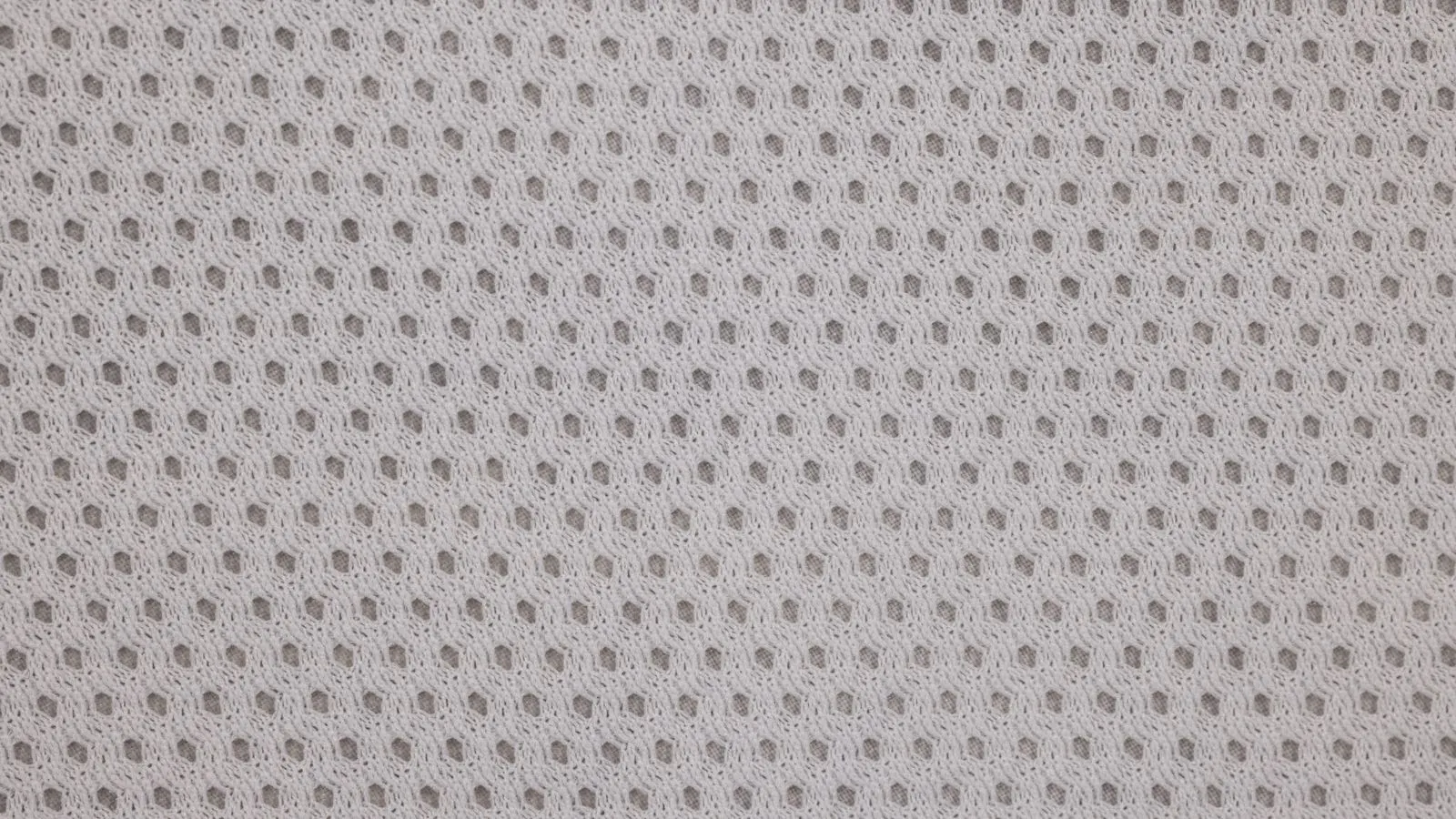
Fiber sizing is the first thing to verify. Nonwoven filtration media is not a single material. It is a set of fiber diameters and fiber arrangements that control pore structure. A fiber that is too small for the oil load closes quickly. A fiber that is too large lets fines pass and forces the downstream system to work harder.
The fiber sizing of the oil filter media should match the expected particle load. If the oil contains fine sediment, a coarser fiber may pass particles that then build up on the downstream filter. If the oil is clean and the load is light, a finer fiber may hold too much material and clog faster.
A practical check is to compare the current media against the original specification sheet. If the specification sheet is missing, compare the fiber diameter and bond type against a sample from a known good unit. If the fiber diameter has drifted or the bond type has changed, the media may not perform the same way under the same flow.
Fiber sizing also affects how the media handles oil viscosity. Thicker oil moves more slowly through the same pore structure. That slower movement can allow fine particles to settle on the fiber surface and build up a dense layer. The result is a higher pressure drop at the same flow.
Inspecting bond type and structural integrity
Bond type is the second major factor. The bond holds the fibers in place. A weak bond allows fibers to shift under flow. A strong bond holds the structure but can create a more rigid pore structure. Both matter.
A weak bond can cause the fiber to migrate. When fibers move, the pore structure changes. Some pores close. Some open. The result is uneven flow and an unpredictable pressure drop. A rigid bond can hold the structure, but if the bond is too strong relative to the fiber, the media may become brittle or crack during handling.
Inspect the media for signs of bond failure. Look for loose fibers, gaps in the mat, or areas where the fibers appear to shift when you touch them. If the bond is failing, the media will not hold its shape under pressure. The pressure drop will fluctuate as the structure shifts.
The bond type also affects how the media handles oil. A thermally bonded media may soften slightly under hot oil. A mechanically bonded media may hold its shape better. If the oil temperature is higher than the media was designed for, the bond may not perform as expected.
Evaluating flow rate and pressure conditions
Flow rate and pressure are the operating conditions that the media must handle. If the system runs above the design flow, the pressure drop rises faster. If the system runs below the design flow, the media may not see enough shear to keep fine particles from settling.
The oil filter housing has a rated flow range. Running above that range increases the pressure drop and can damage the media. Running below the range can allow fine particles to settle on the fiber surface. Both extremes reduce service life.
Check the flow meter at the housing. If the flow is stable but the pressure drop is rising, the media is clogging. If the flow is unstable, the problem is upstream or in the housing. If the flow is stable and the pressure drop is stable, the system is performing as designed.
The pressure drop also depends on the oil viscosity. Thicker oil produces a higher pressure drop at the same flow. If the oil has thickened, the pressure drop will rise even though the media is not clogged. A viscosity check can distinguish between a media issue and an oil condition issue.
Reviewing upstream and downstream conditions
The oil filter does not work in isolation. The upstream system feeds the oil to the filter. The downstream system uses the oil after filtration. Problems in either side can appear as filter clogging.
Upstream, check the suction line, the tank level, and the prefilter. If the suction line has air, the oil can foam. Foamed oil clogs the media faster because the bubbles force the oil through smaller pores. If the tank level is low, the suction line can pull air. If the prefilter is clogged, the oil reaching the main filter may carry fines that the prefilter was supposed to remove.
Downstream, check the pump, the heat exchanger, and the engine. If the pump is worn, the flow may be lower than expected. If the heat exchanger is clogged, the oil may be hotter than expected. If the engine is consuming oil, the level may drop and cause air entrainment.
A common mistake is to replace the filter media without checking the upstream or downstream side. The new media may clog again in a short time. The real problem is in the system, not in the filter.
Applying targeted fixes
Once the cause is identified, the fix should be targeted. A fiber sizing mismatch requires a change in media. A bond failure requires a change in media. A flow problem requires a change in operating conditions. A contamination problem requires a change in upstream control.
For fiber sizing, select a media that matches the oil spec and the expected particle load. If the oil is clean and the load is light, a finer media may be acceptable. If the oil is dirty and the load is high, a coarser media may be more appropriate. The choice should be based on the oil spec and the flow rate.
For bond failure, select a media with a stronger bond. A thermally bonded media may be suitable for moderate temperatures. A mechanically bonded media may be suitable for higher temperatures. The bond type should match the oil temperature and the flow conditions.
For flow problems, adjust the operating conditions. If the flow is too high, reduce the flow or add a bypass. If the flow is too low, increase the flow or reduce the bypass. The goal is to keep the flow within the design range.
For contamination, fix the upstream source. Replace the prefilter. Clean the tank. Fix the suction line. The oil filter is not a substitute for upstream control.
Prevention tips for long service life
Prevention is easier than diagnosis. The most effective way to avoid clogging is to match the media to the system and to monitor the system regularly.
Match the fiber size to the oil spec. Match the bond type to the temperature and flow. Match the media to the housing. If the media is not matched, the system will not perform as expected.
Monitor the pressure drop. Record the pressure drop at startup and at regular intervals. A trend line shows whether the media is clogging or whether the system is changing. If the trend line rises steadily, the media is clogging. If the trend line jumps suddenly, the system is changing.
Inspect the media before installation. Look for damage, loose fibers, or gaps. A damaged media will not perform as expected. A loose fiber can shift under flow and change the pore structure.
Replace the media at the recommended interval. Even if the pressure drop is stable, the media can degrade over time. The bond can weaken. The fibers can shift. The pore structure can change. Replacing the media at the interval keeps the system predictable.
Document the symptoms and the fixes. A log of pressure drops, flow rates, and media changes helps identify recurring problems. If the same problem appears in different units, the cause is likely in the system, not in the media.
The oil filter is a component in a larger system. Its performance depends on the oil, the flow, the housing, and the upstream and downstream conditions. A clogged filter is a signal, not a failure. The goal is to use the signal to fix the system, not just to replace the media.
Frequently asked questions
Why does the pressure drop rise slowly over several days?
A slow rise usually indicates fine particle accumulation or a fiber sizing mismatch. The media is holding material that gradually closes the pores.
Can a new filter solve a clogging problem that started upstream?
No. A new filter may clog again if the upstream system continues to feed fines or air. Fix the upstream source before replacing the media.
Does oil viscosity affect pressure drop?
Yes. Thicker oil moves more slowly through the same pore structure and produces a higher pressure drop at the same flow.
How do I know if the bond is failing?
Look for loose fibers, gaps, or shifting fibers when you inspect the media. A failed bond will not hold the pore structure under pressure.
Should I replace the media if the pressure drop is stable?
Yes, at the recommended interval. Stable pressure drop does not mean the media is not degrading. The bond and fiber structure can weaken over time.